As fall settles across Central Islip and the first real chill moves in from Suffolk County, NY, homeowners begin thinking about heating. For those with fireplaces, that means one critical question: is your chimney damper working as it should? A faulty or outdated damper is one of the most common sources of energy waste in homes on Long Island. When the heating season begins, conditioned air escapes up your chimney even when the fireplace sits idle. Central Islip residents understand this problem well, especially those living in older homes built decades ago. The houses that define our community's character often feature original dampers that have deteriorated over time.
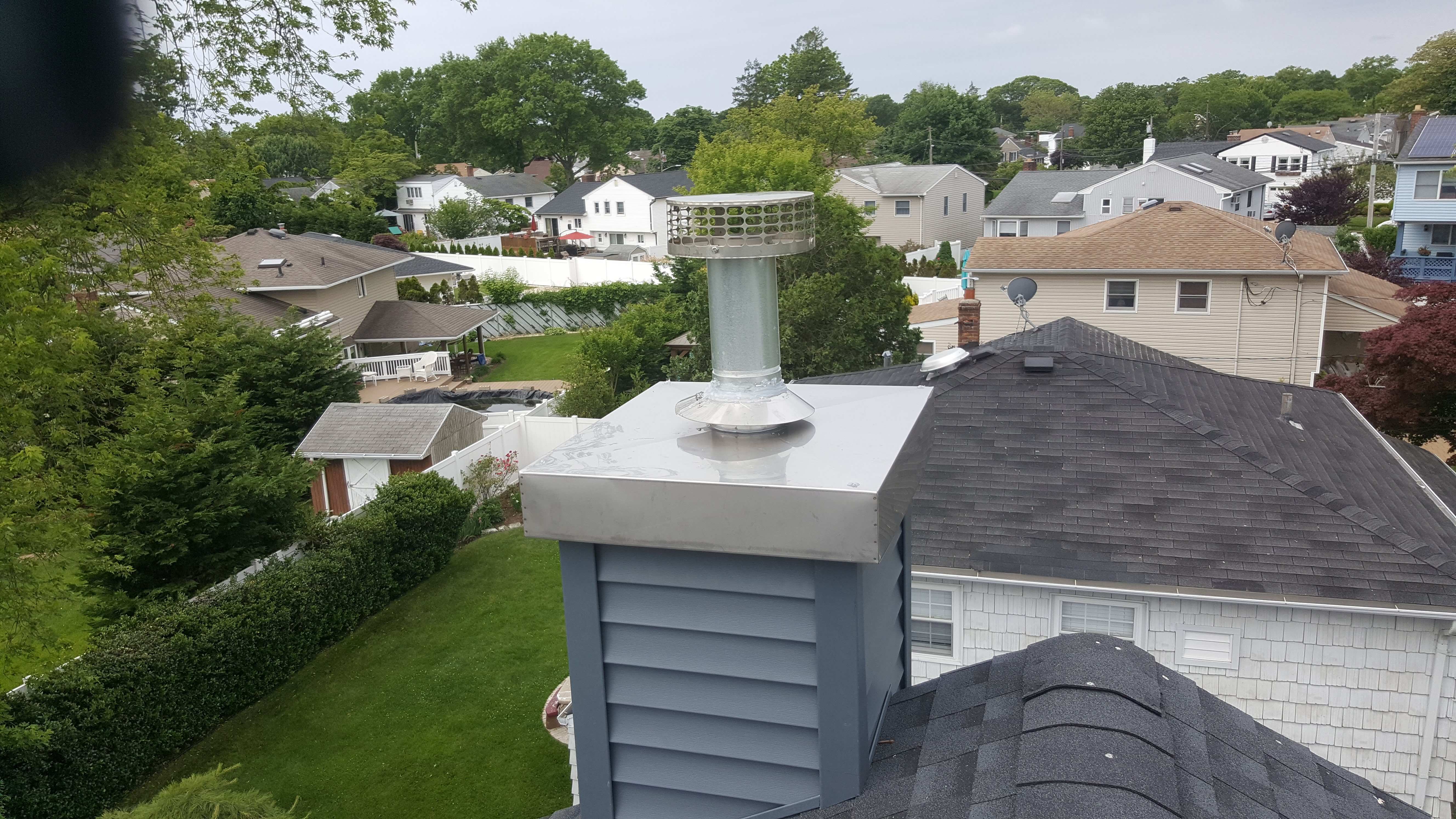
There are fundamentally two types of chimney dampers, and understanding the difference matters more than many homeowners realize. A throat damper sits inside your chimney, positioned just above the firebox opening. It's the older, more common style found in many Central Islip homes. While functional at blocking smoke and flames when closed, throat dampers have a significant limitation: they still allow outside air to infiltrate around their edges. On Long Island, where heating oil fires furnaces through winter and coastal winds whip across our exposed environment, even small gaps become costly problems. Top-sealing dampers work completely differently. They mount at the actual chimney cap, creating a weather-tight seal right at the flue opening. This design stops energy loss at the source.
The energy efficiency difference between these two types becomes obvious when winter weather arrives. Central Islip homeowners heating with oil or natural gas feel the impact immediately. Your furnace runs longer trying to maintain temperature. Your thermostat clicks on more frequently than it should. That draft you've always felt near the fireplace? That's conditioned air disappearing straight up the flue. The Department of Energy reports that chimneys represent one of the largest uncontrolled air leaks in typical homes. If you're in Central Islip managing heating costs, this deserves serious attention before December arrives. Top-sealing dampers virtually eliminate this leak. Many residents report noticing warmer homes and lower heating bills within their first winter after installation.
Draft problems extend beyond energy loss alone. Homes in Central Islip built before the 1980s often struggle with inconsistent draft behavior. Sometimes smoke backs up into living spaces. Sometimes the fireplace draws but performs unpredictably. These issues frustrate people who want to enjoy their fireplaces reliably. Throat dampers contribute significantly to these problems because air flows around them inefficiently. Wind effects matter too, especially on Long Island where coastal weather systems create variable pressure conditions. Top-sealing dampers stabilize draft performance by eliminating the path that allows outside air to sneak past your damper mechanism. Central Islip residents with newer damper installations report that their fireplaces now perform like they should. Wood burns cleaner. Smoke stays in the flue. The experience becomes pleasant rather than problematic.
Moisture represents another major concern for homeowners on Long Island who rely on older damper technology. Our proximity to the Atlantic and the various inlets and bays that surround us means humidity levels stay relatively high year-round. When your throat damper closes, it only partially seals the flue opening. Rain and moisture still reach the interior of your chimney and flue system. Over years, this moisture causes deterioration of mortar joints, brick, and metal components. Central Islip residents have watched their chimneys decline because moisture constantly seeps past inadequate dampers. Mold growth becomes possible. Rust develops on metal damper components. The structural integrity of the entire chimney system suffers. Top-sealing dampers prevent moisture from ever entering the flue system when not in use. The seal sits right at the opening where it stops precipitation before it can travel downward. This protective benefit extends the life of your entire chimney structure.
Installing a top-sealing damper requires different equipment and expertise than replacing a throat damper. The work happens at roof level where your chimney cap sits. DME Maintenance has served Central Islip and across Suffolk County, NY since 2001, handling precisely these installations for hundreds of satisfied customers. DME Maintenance understands the particular challenges of homes on Long Island. We know which damper systems perform best in our coastal climate and variable weather patterns. We've learned which installation techniques ensure years of trouble-free operation. The process involves safely accessing your chimney cap, preparing the opening properly, and installing the damper with hardware that withstands seasonal temperature swings and wind stress. This isn't work that benefits from shortcuts or inexperienced hands.
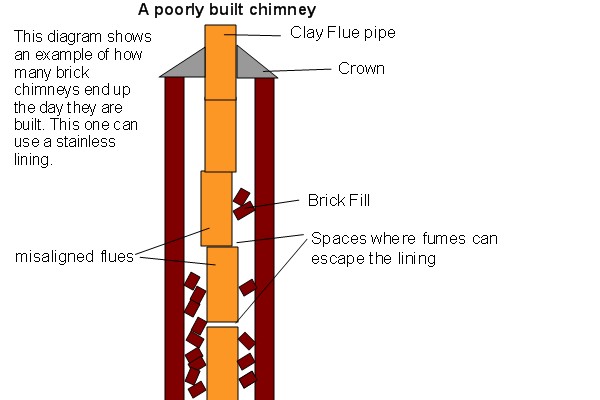
DME Maintenance serves every street in Central Islip. We have been cleaning chimneys on Long Island long enough to know exactly what local homes need — from older clay-lined flues in pre-war houses to modern stainless steel liner systems in newer construction.
The timing of your damper replacement matters considerably if you heat with oil or gas. Central Islip homeowners typically fire up their heating systems in October or November when temperatures drop. Installing a top-sealing damper before then means you experience the full efficiency benefit throughout the entire heating season. You'll feel the difference in comfort immediately. Your furnace won't work as hard. Your energy bills will reflect the improvement. Fall represents the ideal window before heating demands peak. Waiting until winter arrives means missing this advantage for months. If you've been thinking about addressing draft concerns or energy inefficiency in your fireplace, the calendar is pointing toward now. The weather window remains open, and the heating season hasn't yet created demanding conditions on your HVAC system.
If your home in Central Islip features a fireplace, scheduling a damper evaluation should happen before October ends. DME Maintenance can inspect your current damper setup and explain which approach makes sense for your specific situation. Top-sealing dampers represent a smart investment for homes on Long Island where heating costs and weather concerns both matter. You'll gain improved comfort, better draft performance, and measurable energy efficiency. Call DME Maintenance today at 631-316-0622 to arrange an inspection. Our family has been serving Central Islip and Suffolk County, NY for 2001 years. We understand what it takes to keep homes on Long Island running efficiently through winter. Let's make sure your fireplace and chimney aren't wasting your heating dollars this season.