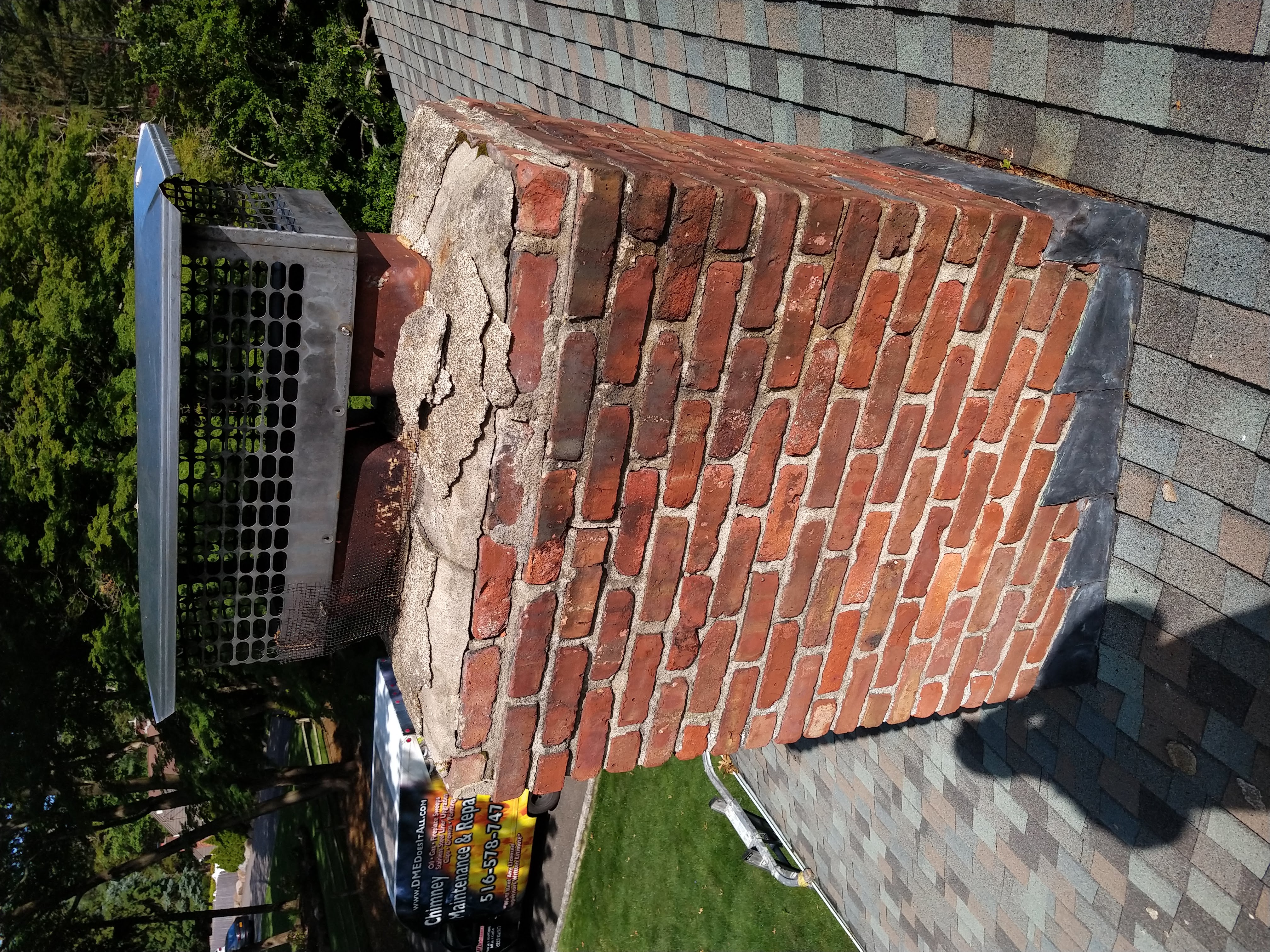
Chimneys on Long Island face a unique challenge that many homeowners in Central Islip don't fully appreciate until damage becomes visible. The region's freeze-thaw cycles, combined with salt air moisture creeping inland from Long Island Sound, work together to break down mortar joints faster than in milder climates. Mortar, the binding material between bricks, gradually loses its strength when exposed to repeated freezing and thawing. Water seeps into tiny cracks, expands as ice forms, and pushes the mortar further apart. Homes in Central Islip that have stood for decades can develop serious chimney deterioration without obvious signs from ground level.
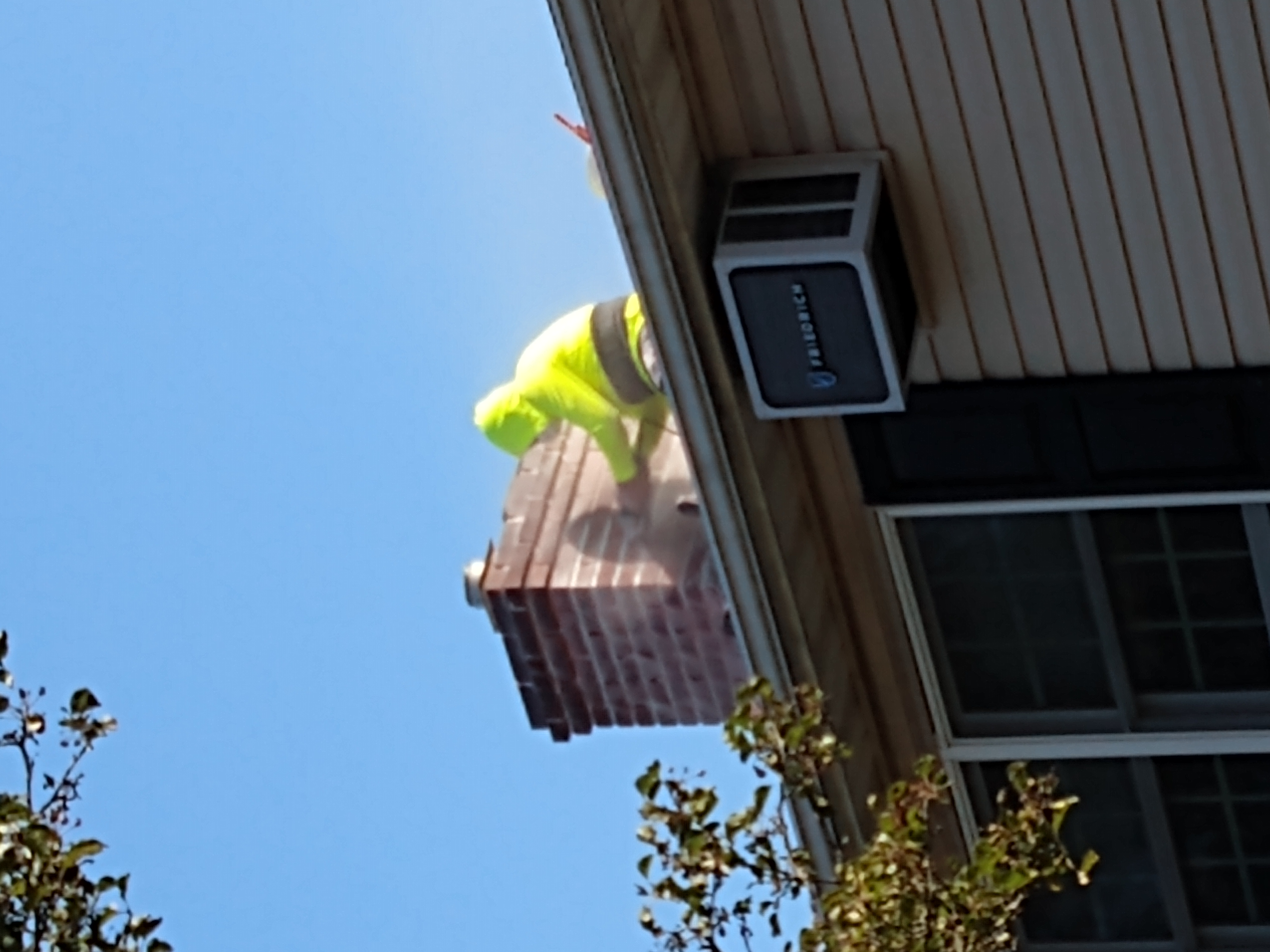
Pointing and tuckpointing are the techniques used to restore what weather and time have damaged. The process involves carefully removing old, crumbling mortar from between bricks and filling those joints with new mortar matched to the original composition. Think of it as surgery on your chimney structure. A skilled mason assesses the depth of deterioration, selects the right mortar formula, and rebuilds those critical joints. For Central Islip residents, this work is often the difference between a chimney that lasts another generation and one that fails catastrophically. Water infiltration stops when those joints are sealed properly again.
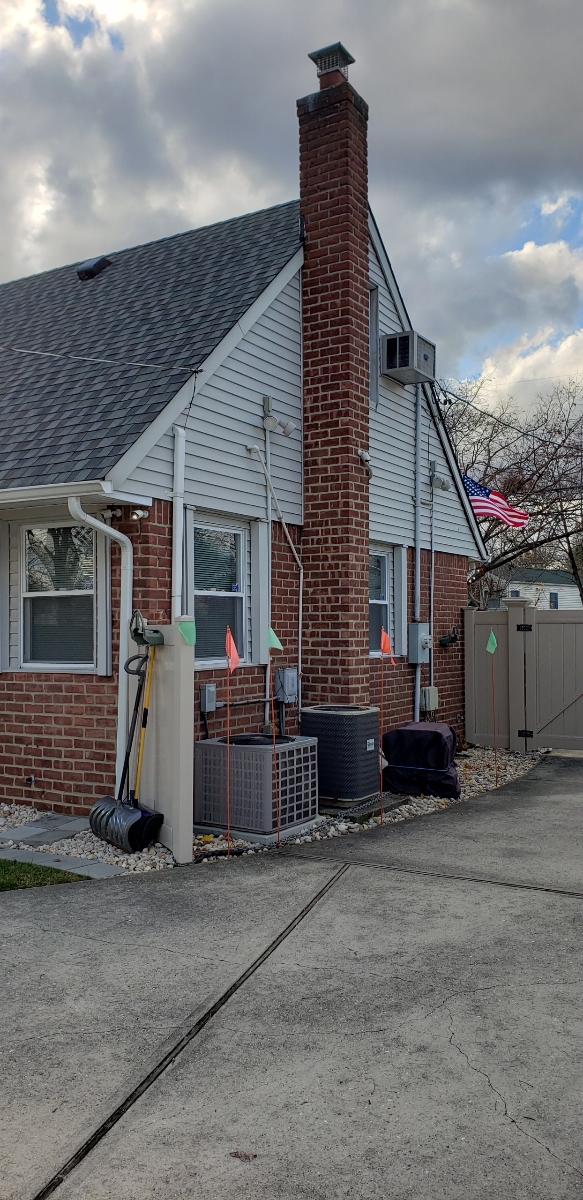
Many Central Islip homeowners live in properties built in the mid-twentieth century when brick chimneys were standard features. These older homes, while charming and well-built, require maintenance that newer construction often doesn't. Oil heat has been the traditional heating source on Long Island for decades, meaning most chimneys here have been working hard through countless heating seasons. Over time, the mortar between those bricks simply wears down. You might notice white residue on the exterior, loose bricks, or crumbling mortar visible from the ground. These are warning signs that pointing work has become necessary, not optional.
Spring and summer represent the ideal window for chimney pointing work on Long Island. During these warmer months, mortar cures properly and gains full strength before winter arrives. Moisture and cool temperatures slow curing dramatically, which is why fall and winter are poor times for this repair. Central Islip residents who schedule pointing in spring give their chimneys months to harden before the next heating season begins. The seasonal timing matters more than many realize. Rushing mortar work in cold weather compromises the finished result and leaves your chimney vulnerable to the very water damage you're trying to prevent.
Water infiltration represents the most costly consequence of failed mortar joints. When pointing deteriorates, rainwater and melted snow penetrate the chimney structure itself. This moisture can seep into your home's interior walls, causing staining, mold growth, and structural rot that spreads far beyond the chimney itself. Homes in Central Islip with brick exteriors are particularly susceptible because water can travel through the chimney into adjacent walls. A small pointing repair today prevents expensive water damage restoration tomorrow. The math is simple for Central Islip homeowners willing to address problems early.
Mortar composition matters more than casual observers realize. Not all mortar is the same. Old chimneys require softer mortar formulations that allow slight movement without cracking. Modern high-strength mortars, while tempting, can actually damage historic brickwork by being too rigid. DME Maintenance evaluates your chimney's age, brick type, and existing mortar to specify the correct formula. This knowledge separates competent work from amateur attempts. Central Islip properties deserve masonry repair done with attention to these technical details, not shortcuts.
The Long Island environment itself demands superior workmanship. Salt-laden air from the ocean and bays accelerates mortar deterioration beyond what inland properties experience. Residents in Central Islip and nearby communities like Hauppauge and Ronkonkoma notice this when they compare their chimney maintenance needs to friends living further inland. The proximity to water means your chimney faces constant environmental pressure. Quality pointing work using appropriate materials and techniques is your defense against these forces. This is why the skill level of whoever performs the work truly determines how long your repair will last.
Visible damage to mortar joints is only part of the story. Deterioration often progresses behind where you can see it. The interior joints of a chimney fail before exterior mortar becomes obviously cracked. A professional inspection reveals the full scope of what needs attention. Many homeowners in Central Islip are surprised to learn their chimneys need more extensive pointing than surface appearance suggests. This is where experience matters. Someone trained to recognize early-stage mortar failure will catch problems before they compromise your entire chimney structure.
DME Maintenance serves every street in Central Islip. We have been cleaning chimneys on Long Island long enough to know exactly what local homes need — from older clay-lined flues in pre-war houses to modern stainless steel liner systems in newer construction.
At DME Maintenance, owner Douglas Eberling has built his reputation on brick and mortar work since 2001. DME Maintenance understands the specific demands that Suffolk County, NY County's climate places on chimney structures. We've watched Central Islip homes through countless seasonal cycles and know what works and what fails. We approach each pointing job as if it were our own family's home. The difference between sloppy pointing and quality work becomes obvious within a few years as you observe how long the repair holds up.
Spring is arriving, and this is the moment for Central Islip homeowners to schedule chimney pointing inspections. Don't let another heating season pass with deteriorated mortar joints inviting water into your home. Contact DME Maintenance at 631-316-0622 today to discuss your chimney's condition and get an honest assessment of what's needed.