When fall arrives on Long Island, homeowners begin preparing their heating systems for the colder months ahead. For residents of Islandia with fireplaces, that preparation includes checking whether your chimney damper is working as it should. A faulty or aging damper can turn your fireplace from a cozy asset into an energy drain. Cold air rushes down the flue when you're not using the fireplace, forcing your heating system to work harder throughout the season. This is especially common in homes on Long Island built before the 1980s, when damper design was less efficient.
The homes in Islandia tend to range across several decades of construction, meaning damper styles vary widely from property to property. Many of these older residences were built with throat dampers, the traditional metal plate that closes just above the firebox opening. While throat dampers serve a basic purpose, they sit inside the flue and rely on gravity and friction to seal. Over time, warping from temperature swings, debris accumulation, and rust can compromise the seal entirely. A leaky throat damper allows heated air to escape up your chimney even when the fireplace sits cold and unused.
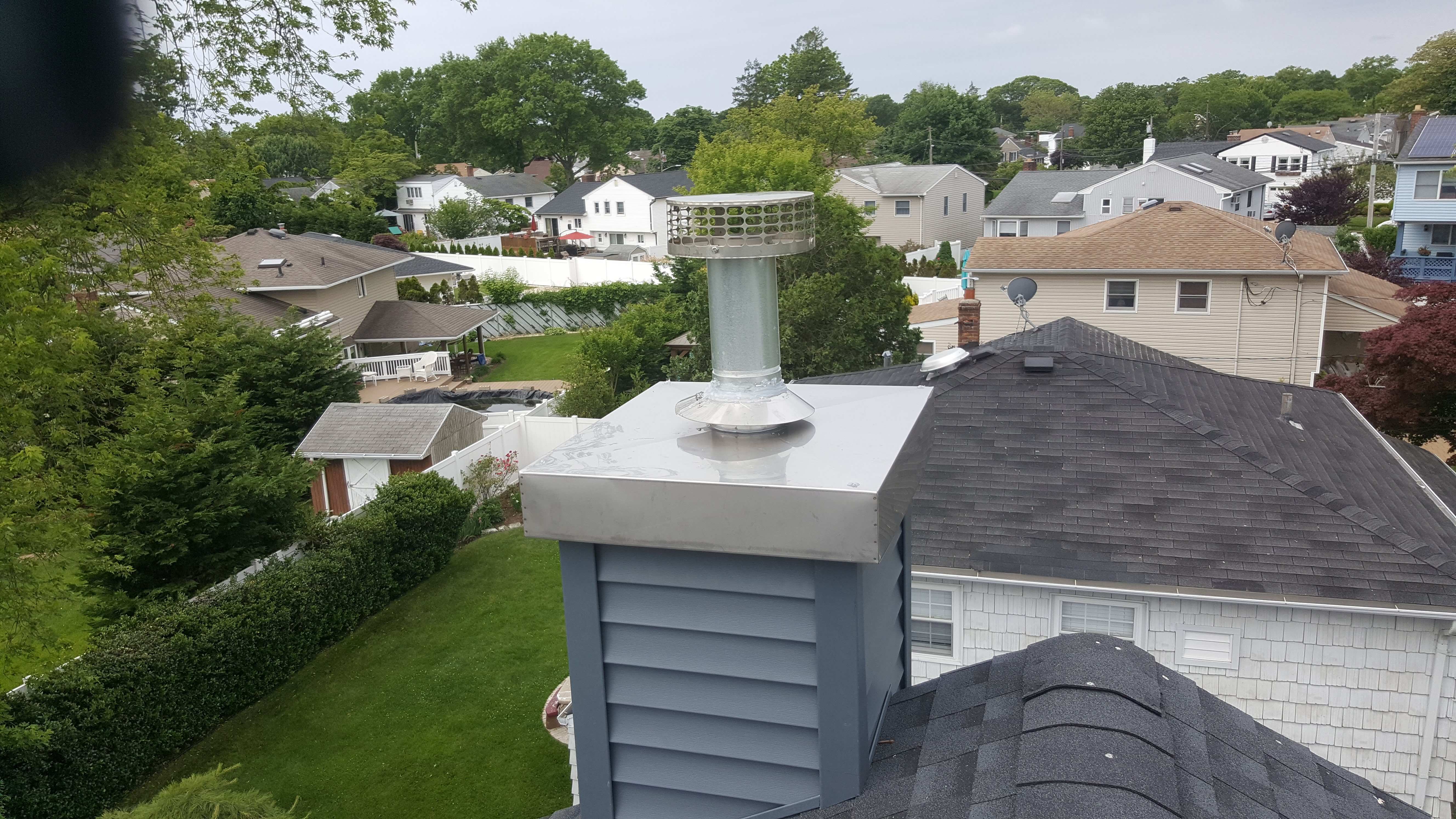
Top-sealing dampers operate on a completely different principle than their traditional counterparts. Instead of closing from inside the flue, these dampers mount directly at the chimney's crown, the very top of your masonry structure. They create a weather-tight seal right at the opening where your flue meets the outside air. This design eliminates the warm-air bypass that happens with interior dampers. When properly installed by DME Maintenance, top-sealing dampers can reduce heating loss significantly during fall and winter months. Islandia homeowners who switch from aging throat dampers report noticing the difference immediately.
Energy efficiency gains matter especially on Long Island, where oil heat remains the dominant heating fuel across most residential neighborhoods. Many homes in Islandia rely on oil furnaces to maintain warmth through December, January, and February. When a chimney damper fails to seal properly, your furnace runs more often and longer than necessary. The stack effect pulls warm air upward and out through the flue opening, creating drafts in your living spaces. Your heating system compensates by cycling on more frequently. Over a full heating season, poor damper performance can add measurable cost to your annual fuel bills.
Throat dampers, while still functional in some homes, introduce another mechanical problem over time. The handle mechanism can corrode or break entirely, leaving the damper stuck open or difficult to operate. Residents of Islandia dealing with sticky or frozen damper handles often find replacement more practical than attempting repairs. The metal parts experience constant exposure to combustion byproducts and the temperature swings between heating season and summer dormancy. Even well-maintained throat dampers eventually wear out. At DME Maintenance, we've inspected thousands of Long Island chimneys since 2001, and aging throat damper failure appears in nearly every older home we visit.
Top-sealing dampers address these durability concerns by eliminating interior mechanical parts that face constant exposure to heat and moisture. The sealing mechanism sits outside, mounted on your masonry crown with durable stainless steel hardware. No internal lever or spring mechanism means fewer components to rust or break. When you're not using your fireplace, the damper closes securely against the flue opening. When heating season ends, you open it again. The design is simple and reliable. Islandia homeowners appreciate the straightforward operation and the visible reduction in drafts throughout their homes.
Drafts from a faulty chimney damper can create uncomfortable cold spots and hot zones in living spaces adjacent to your fireplace. If your fireplace chimney runs through a central wall, poor damper sealing affects multiple rooms above and below. The negative air pressure created by escaping warm air can trigger drafts near windows and exterior doors elsewhere in your home. Your comfort suffers even if you rarely use the fireplace. These effects intensify as fall turns to winter and outdoor temperatures drop. Homes on Long Island near the water experience particularly noticeable drafting issues, as coastal air tends to be cooler and more moisture-laden.
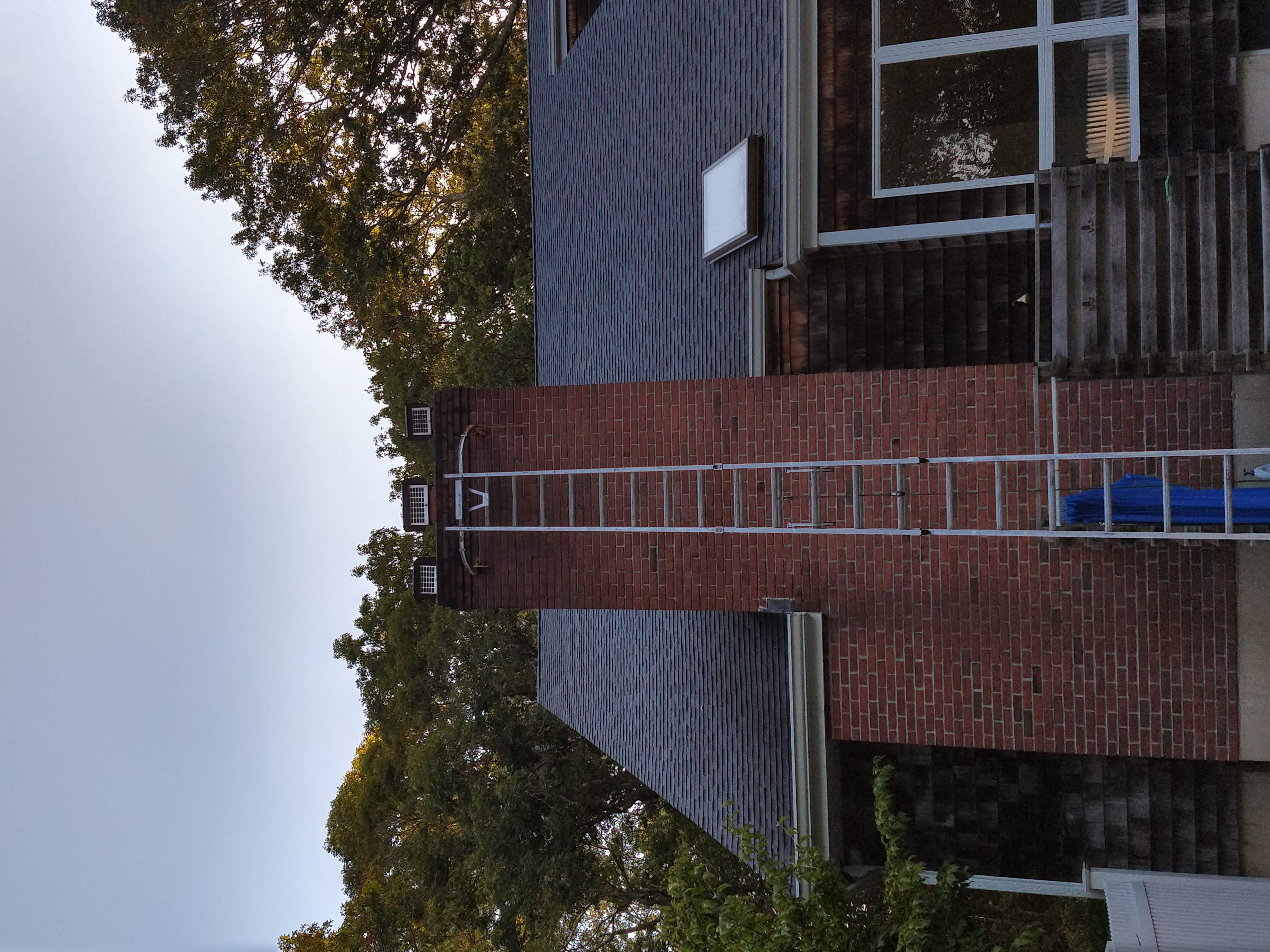
Homeowners in Islandia preparing for heating season should schedule a chimney inspection before temperatures drop significantly. An experienced chimney professional can assess whether your current damper seals effectively or whether replacement would benefit your home. Visual inspection from the roof can reveal damper condition without any invasive procedures. We check for visible rust, corrosion, warping, or debris that might prevent proper closure. If your damper shows age or damage, discussing replacement options makes sense before you need the fireplace in earnest. Waiting until November when heating season is underway means less scheduling flexibility.
The transition from fall to winter is the ideal time to schedule damper replacement work. Crews at DME Maintenance can access your chimney safely when weather remains mild and daylight extends through afternoon hours. Installing a new top-sealing damper typically requires minimal disruption to your home. DME Maintenance works from the roof, carefully removing the old damper and installing the new one with proper flashing and seal. We measure your flue opening to ensure correct sizing for optimal performance. Once installed, your new damper operates immediately, providing relief from drafts and heating loss that same evening.
Residents of Islandia often express surprise at how dramatically a new damper improves comfort and heating efficiency. The most common reaction involves noticing how much quieter the house feels when wind blows. Fewer drafts mean less whistling through cracks and gaps that the stack effect was forcing open. Heating systems cycle less frequently because warm air no longer escapes through an open flue. Many homeowners report that replacing an old damper feels like sealing an air leak they didn't fully recognize until it was fixed. That immediate payback makes damper replacement one of the smarter investments for homes on Long Island entering heating season.
Douglas Eberling has served Suffolk County, NY residents for over 2001 years, handling everything from routine chimney inspections to complex structural repairs. We understand the unique challenges Long Island chimneys face, from salt air corrosion near the water to the freeze-thaw cycles that crack mortar every winter. When you call about damper replacement in Islandia, you're working with licensed professionals who've seen every style of chimney and damper configuration. We'll explain your options, answer questions about performance differences, and recommend the solution that makes sense for your specific situation. Contact DME Maintenance today at 631-316-0622 to schedule your pre-season chimney evaluation and take control of your heating efficiency this fall.