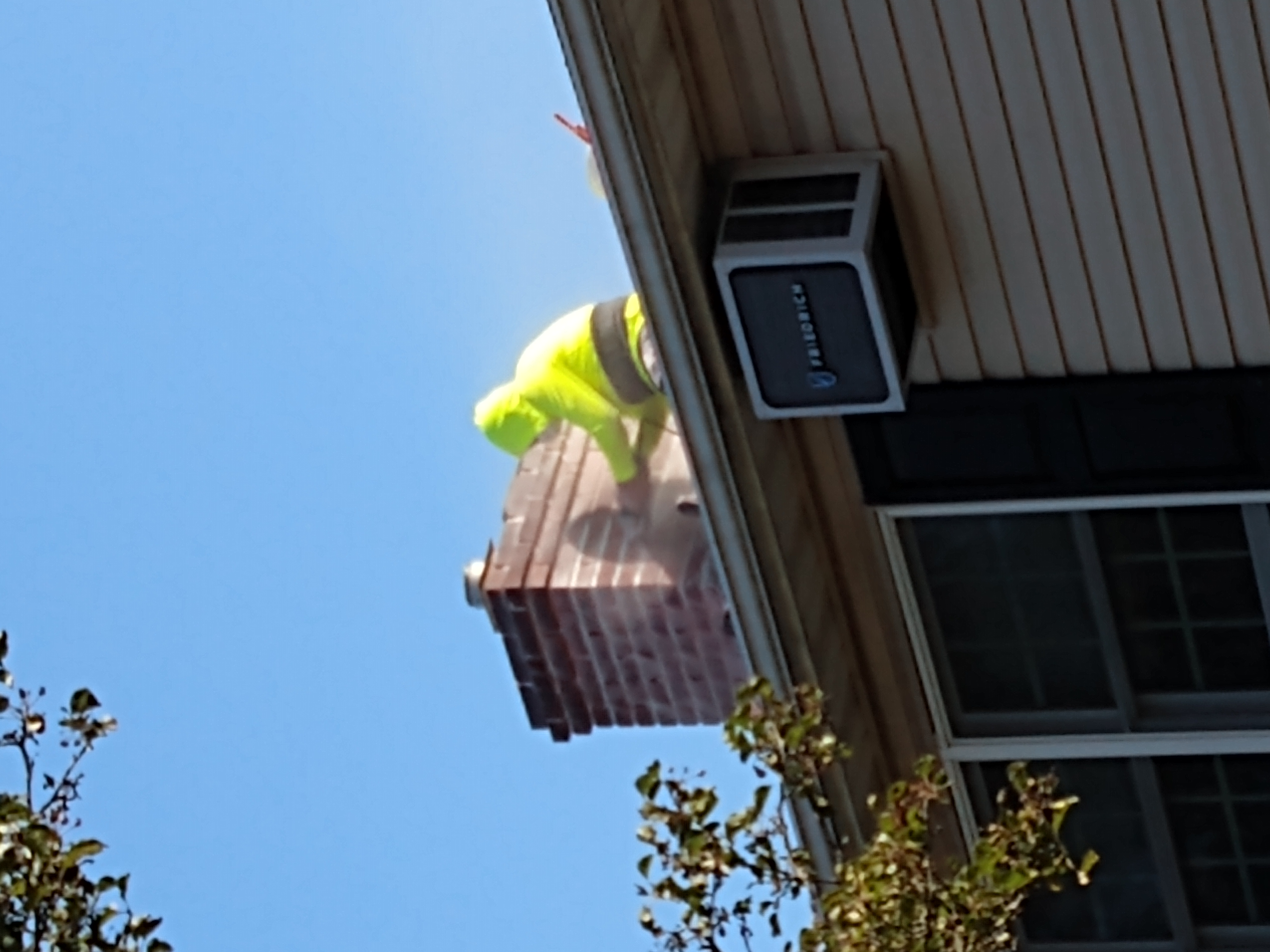
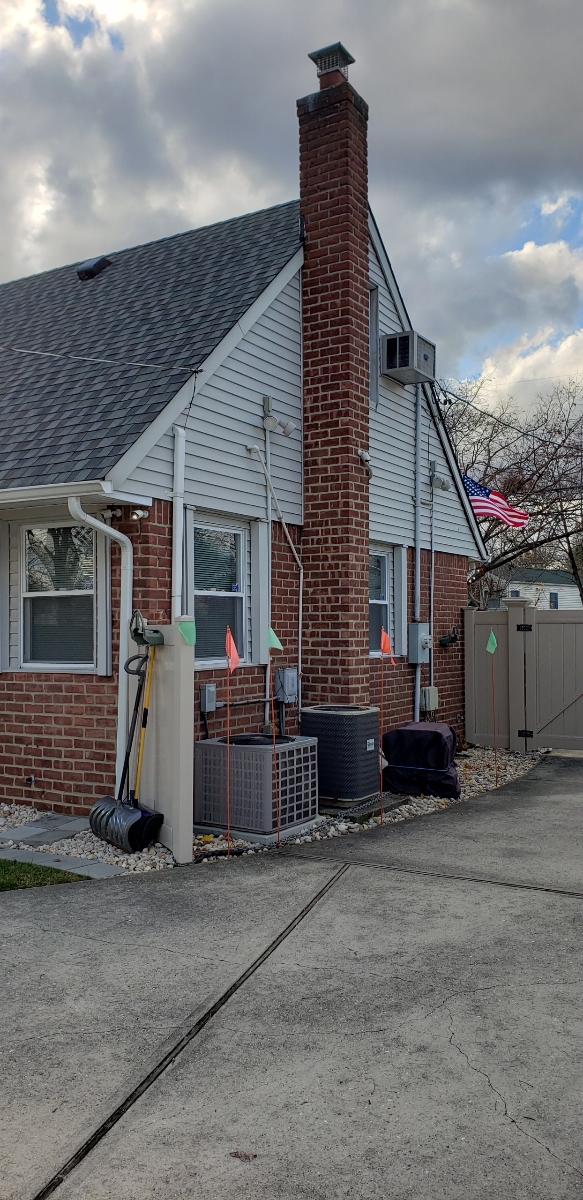
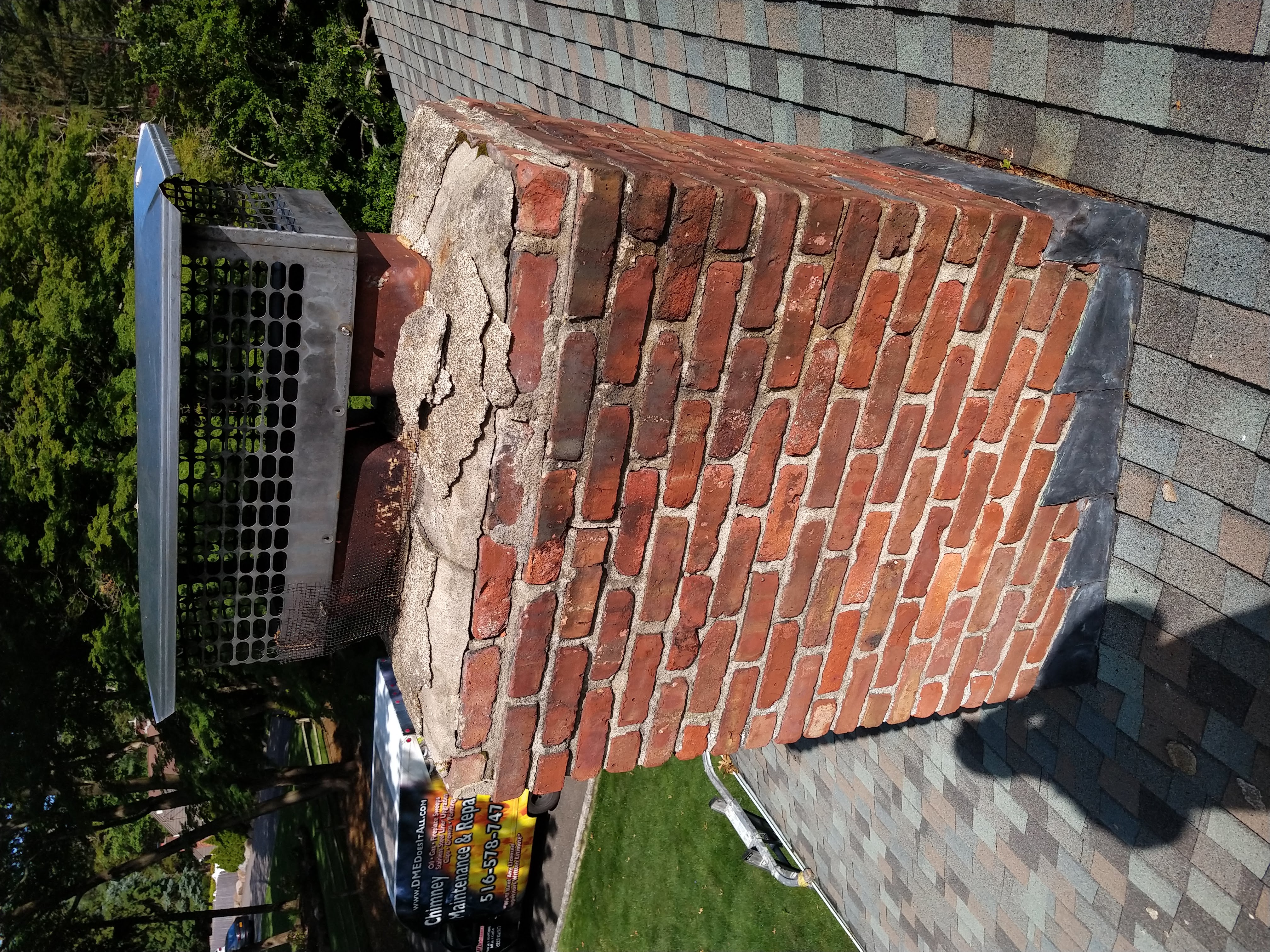
The brick chimneys that rise above homes in Islandia are architectural anchors that have stood for decades, often since the mid-twentieth century. These structures face relentless exposure to Suffolk County weather, seasonal temperature swings, and moisture that seeps in from every direction. Over time, the mortar between the bricks deteriorates. Cracks form. Water finds its way inside. What starts as a small crack becomes a serious structural problem. Chimney pointing is the repair that stops this damage before it spreads deeper into your chimney system and your home.
Islandia residents understand the freeze-thaw cycle that defines our region's winter and spring weather. Water enters the mortar joints during wet months. When temperatures drop, that moisture expands as it freezes. The frozen water pushes outward, weakening the mortar further. Come spring, the cycle repeats. By summer, homes in Islandia often show visible signs of mortar failure. Brick separation. Mortar dust falling from the chimney's exterior. Cracks wide enough to see daylight through. These are all warning signs that pointing work cannot be delayed much longer without risking more expensive structural repairs.
Deteriorating mortar affects far more than the chimney's appearance. Water infiltration is the real danger. When mortar fails, rain and melting snow penetrate through the brick wall. Water reaches the flashing, the damper assembly, and eventually the interior spaces of your home. Homeowners in Islandia with oil heating systems notice water damage around hearths and in basement areas beneath the chimney. Damp insulation. Rust-stained ceilings. Mold growth. These secondary problems emerge weeks or months after water first enters through failing mortar joints. Pointing work stops the water at the source.
The spring and summer season offers the ideal window for pointing work on Long Island. Mortar needs time and moderate warmth to cure properly. Cool, damp weather slows the curing process. Summer heat accelerates it. Fresh mortar applied in June or July hardens within days, creating a strong, durable seal. Islandia homeowners who schedule pointing during warmer months benefit from faster project completion and mortar that reaches full strength before fall rains arrive. Spring work also protects your chimney throughout the challenging freeze-thaw season that follows in winter.
Professional pointing requires skill that goes beyond basic masonry repair. The mason must carefully remove old mortar without damaging the surrounding brick. Tools and technique matter enormously. Overly aggressive removal can fracture brick edges. Insufficient removal leaves weak mortar behind. The new mortar mixture must match the original in composition and strength. Too hard, and it can damage softer historic brick. Too soft, and it fails within a few seasons. Masons working on Islandia homes must understand regional masonry practices and the specific needs of Long Island's climate and soil chemistry.
At DME Maintenance, we have served homeowners on Long Island since 2001. Douglas Eberling built this company on the foundation of honest, skilled work. DME Maintenance performs pointing work on chimneys throughout Islandia and the surrounding Suffolk County area. We understand the particular challenges that Islandia chimneys face. We know how our region's weather patterns affect mortar longevity. We select mortar formulations matched to your chimney's original materials and your home's exposure. We work systematically, section by section, ensuring complete coverage and proper curing time between stages.
The cost of delaying pointing work always exceeds the cost of the repair itself. Water damage spreads. Brick spalls and breaks. The interior structure weakens. Homeowners in Islandia who notice mortar failure should contact us during spring or early summer to schedule an inspection. Our licensed technicians will assess the extent of deterioration and recommend the right approach for your specific chimney. Some chimneys need full repointing. Others require spot repairs on damaged sections. A professional evaluation guides the right decision for your home and budget.
If your Islandia home has a chimney, and that chimney shows any visible mortar damage, contact DME Maintenance today. Call us at 631-316-0622 to schedule your spring or summer inspection. Water damage waits for no one, and summer conditions are ideal for mortar work. Let our experience protect your home from the inside out.
Brick and mortar age differently. The brick itself, if well-fired during manufacture, can last two hundred years or more. Mortar, by contrast, is designed to be the sacrificial element. It erodes so the brick doesn't have to. Homeowners in Islandia sometimes assume that if the brick looks fine, the mortar must be fine too. That's a dangerous misconception. Mortar can be crumbling while brick surfaces appear relatively sound. Regular inspection reveals what the eye alone might miss. Small cracks in mortar joints expand silently year after year. By the time deterioration becomes obvious from ground level, significant water infiltration may already be underway inside your chimney structure.
The surrounding Suffolk County area experiences salt air exposure, particularly closer to Long Island Sound and coastal regions. Salt accelerates mortar breakdown through a chemical process called efflorescence. Moisture carries salt crystals into the mortar. The crystals expand as they dry, creating internal pressure that fractures the mortar from within. Homes in Islandia may not be directly waterfront, but salt-laden air travels inland on prevailing winds. This regional reality means pointing mortar must be formulated to resist salt attack better than standard mixes. Our masons select materials specifically chosen for salt-air resistance, protecting your chimney against this invisible threat.
The visible portion of your chimney is only part of the structure. Below the roofline, chimney brick and mortar continue downward through your attic space and interior walls. This hidden section faces moisture problems that homeowners rarely monitor. Ice dams that form on rooflines in winter drive water sideways into the chimney wall. That water travels downward through deteriorating mortar joints, finding its way into your home's structural framing and insulation. Islandia residents should understand that chimney pointing isn't purely cosmetic or exterior. It protects the entire vertical system, including sections you cannot see. A thorough pointing job addresses all exposed mortar, inside and out, creating a complete moisture barrier around your entire chimney structure.