When a chimney cap fails or goes missing, homeowners in Ronkonkoma often don't realize the problem until damage has already begun. A damaged cap leaves your entire chimney system vulnerable to weather, wildlife, and debris. On Long Island, where homes range from mid-century construction to newer builds, chimney caps wear out at different rates depending on exposure and material quality. Many Ronkonkoma properties sit in areas with significant wind exposure from nearby water systems. That exposure accelerates cap deterioration. When a cap cracks, rusts, or separates from the flue, problems cascade quickly.
Water intrusion is perhaps the most immediate concern for Ronkonkoma homeowners. Even light rain can find its way into an unprotected flue when a cap is missing or damaged. Once water enters the chimney, it saturates the mortar joints between bricks, freezes during Long Island's cold months, and expands. This freeze-thaw cycle slowly destroys the structural integrity of your chimney from the inside out. Homes in Ronkonkoma that rely on oil heat systems often see their chimneys used seasonally, but that doesn't mean water damage waits for heating season. Rain falls year-round. Water can pool in an open flue and create mold growth, deteriorate the damper, and eventually damage ceilings and walls inside your home.
Animal entry is another serious issue that residents of Ronkonkoma encounter regularly. Raccoons, squirrels, birds, and other wildlife view an open chimney as shelter and a potential nesting site. Once animals establish a nest inside your flue, they create blockages that prevent proper ventilation. The odor becomes noticeable, and removal becomes a complex process. Ronkonkoma homeowners often discover the problem only when they smell something unusual or hear scratching sounds. A properly installed chimney cap with appropriate mesh screening prevents this problem entirely. The cost of replacing a cap is a fraction of what animal removal and chimney cleaning cost.
Debris accumulation in an unprotected chimney creates fire hazards and reduces draft efficiency. Leaves, twigs, and windblown materials settle in the flue over time. During heating season, this debris can ignite, creating a dangerous chimney fire that spreads to the home's structure. On Long Island, fall and winter bring significant debris loads, especially in residential areas like Ronkonkoma where mature trees surround homes. Even a cap with deteriorated mesh allows small particles to pass through. In spring and after severe storms, homeowners in Ronkonkoma should inspect their caps for damage, especially if they've heard strong winds rattling or damaging other parts of the home.
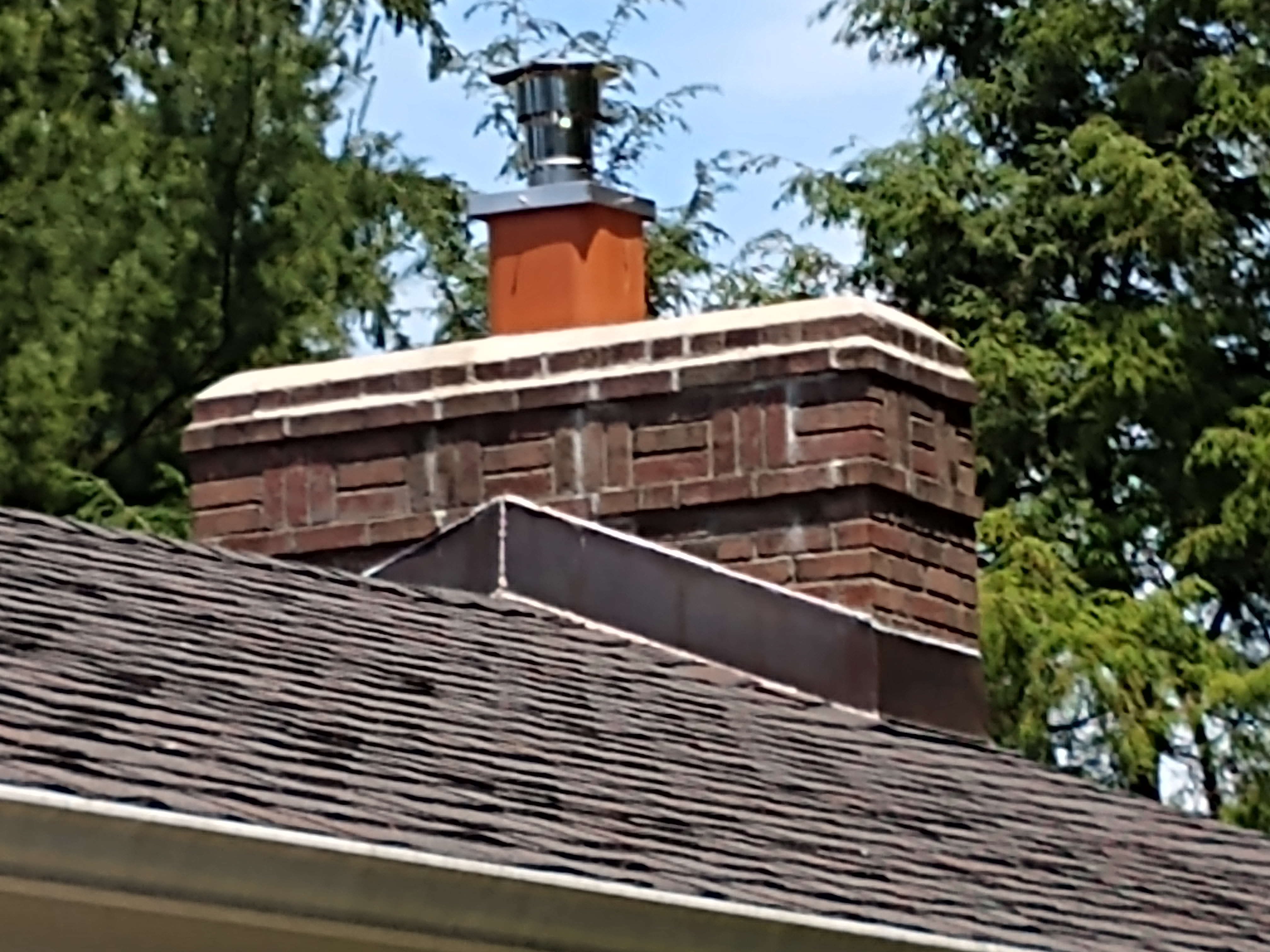
Storm damage is a particular concern across Suffolk County, NY and affects many Ronkonkoma properties each year. Nor'easters and coastal storms bring intense wind that can dislodge caps or bend the metal framework supporting them. After major wind events, numerous Ronkonkoma residents discover their caps are missing or damaged. The exposure from nearby water systems means wind speeds in Ronkonkoma can be especially severe. Beyond losing the cap entirely, wind can damage the surrounding flashing where the cap connects to the chimney crown. This creates new pathways for water to enter. Inspecting your chimney after any significant storm protects your home from expensive water damage.
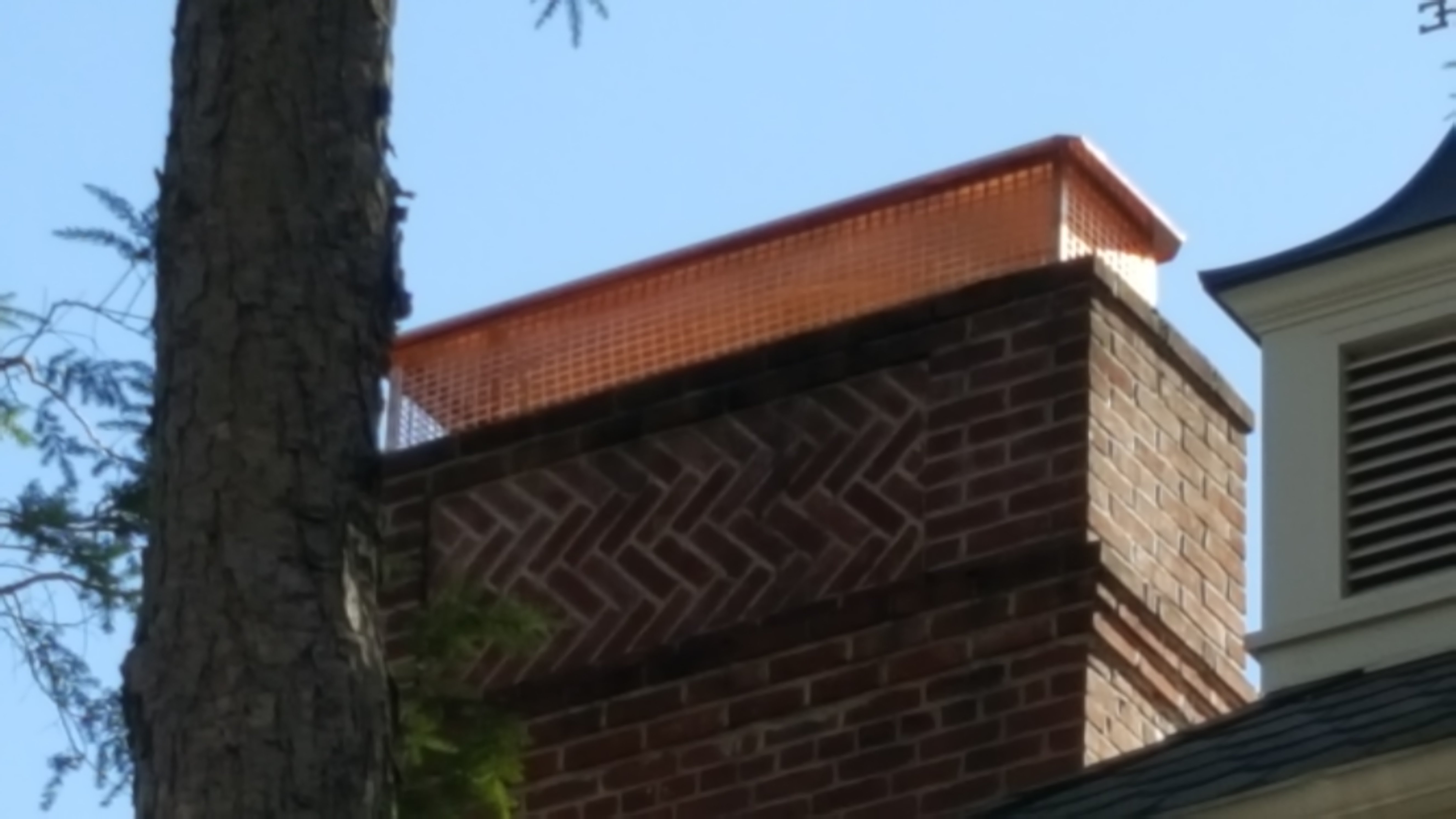
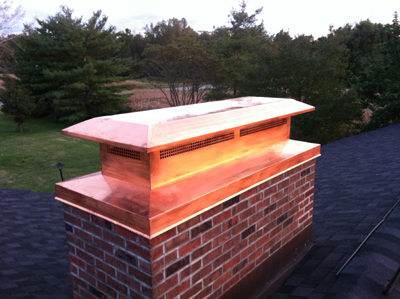
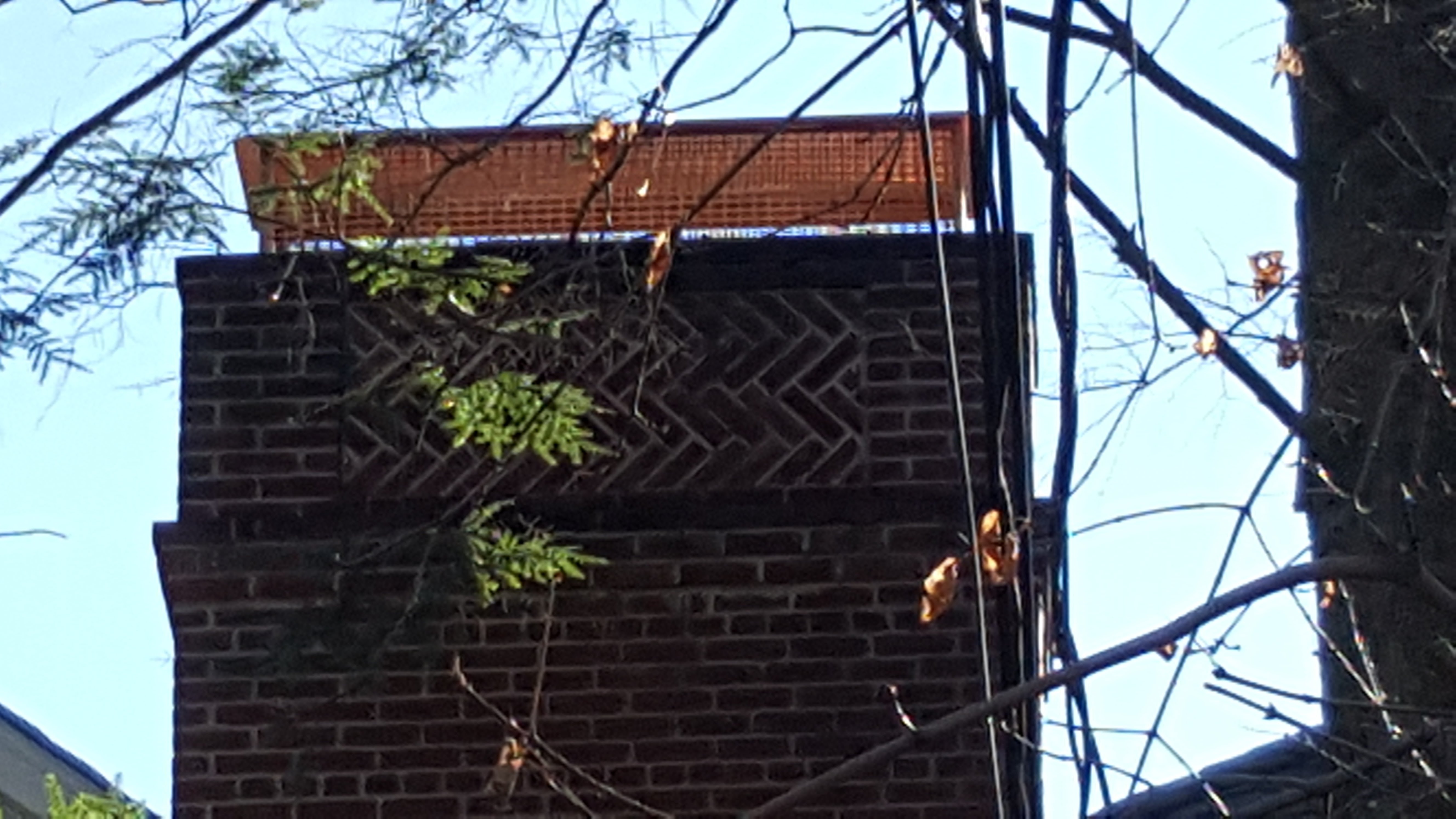
Replacement becomes necessary when cracks, rust, or deterioration make repair impractical. Different cap materials have different lifespans. Stainless steel holds up better than galvanized steel, particularly on homes in Ronkonkoma near water sources where salt air accelerates corrosion. Copper caps develop a natural patina and can last for decades, but they cost more initially. The right material depends on your budget, your home's exposure, and how long you plan to stay in Ronkonkoma. DME Maintenance has served the Ronkonkoma area since 2001, and we've installed caps on hundreds of homes in this community. We can assess your current cap and recommend the best replacement option for your specific situation.
The installation process itself matters significantly. A cap must sit flush against the chimney crown with secure fastening that prevents wind from shifting or dislodging it. The mesh screening must be fine enough to block debris and small animals but large enough to maintain proper draft. Poor installation leaves gaps where rain sneaks in or wildlife squeezes through. We've seen caps installed by less experienced contractors that required replacement within a few years. Ronkonkoma homeowners deserve work done right the first time. Proper installation means your new cap will protect your chimney investment for many years.
If your chimney cap is missing, cracked, rusted, or visibly damaged, contact DME Maintenance today at 631-316-0622. We serve Ronkonkoma and the surrounding Suffolk County, NY area with the experience and attention to detail that homeowners here deserve. Don't wait for the next storm or for animals to move in. Call us now to schedule your chimney cap inspection and replacement.
The crown itself deserves attention when you're evaluating chimney cap condition. The crown is the concrete or mortar surface that sits atop your chimney structure, and it's where the cap attaches. Cracks in the crown allow water to seep into the brick and mortar below, independent of the cap's condition. Ronkonkoma homeowners sometimes assume a new cap will solve all their problems, but a deteriorating crown needs repair too. Our inspectors examine both the cap and crown during every visit. If we spot crown damage, we'll explain what you're seeing and discuss options.
Seasonal considerations matter for Ronkonkoma residents planning cap replacement. While chimney caps can be replaced any time of year, fall and spring are ideal windows. Summer heat makes roofwork uncomfortable, and winter weather complicates installation. If your cap failed during summer, waiting until fall to replace it leaves your chimney unprotected through months of storms. Homes in Ronkonkoma with oil heating systems often use chimneys more heavily starting in October. Replacing a cap before heating season ensures your system runs safely and efficiently. After major storms, replacement backlogs can stretch timelines, so scheduling early prevents delays.
Maintenance between replacements extends the life of your new cap. Homes in Ronkonkoma benefit from annual chimney inspections that catch problems before they become serious. Debris can accumulate around the cap even with proper mesh screening. Professional cleaning removes buildup and allows technicians to spot early signs of wear. Over time, fasteners loosen slightly from wind exposure and vibration. A quick tightening during maintenance prevents the cap from shifting or separating. For Ronkonkoma homeowners committed to protecting their investment, regular professional attention costs far less than major water damage or structural repair.