Chimneys on Long Island face relentless punishment from the elements, and Ronkonkoma homeowners quickly learn that prevention beats emergency repair every time. The masonry systems that draw smoke upward also draw moisture downward, especially during the wet seasons that define our Suffolk County climate. When water infiltrates brick and mortar, it works silently behind the scenes. Freeze-thaw cycles compound the damage as ice forms and expands within tiny cracks. By the time problems become visible inside your home, significant structural deterioration may already be underway.
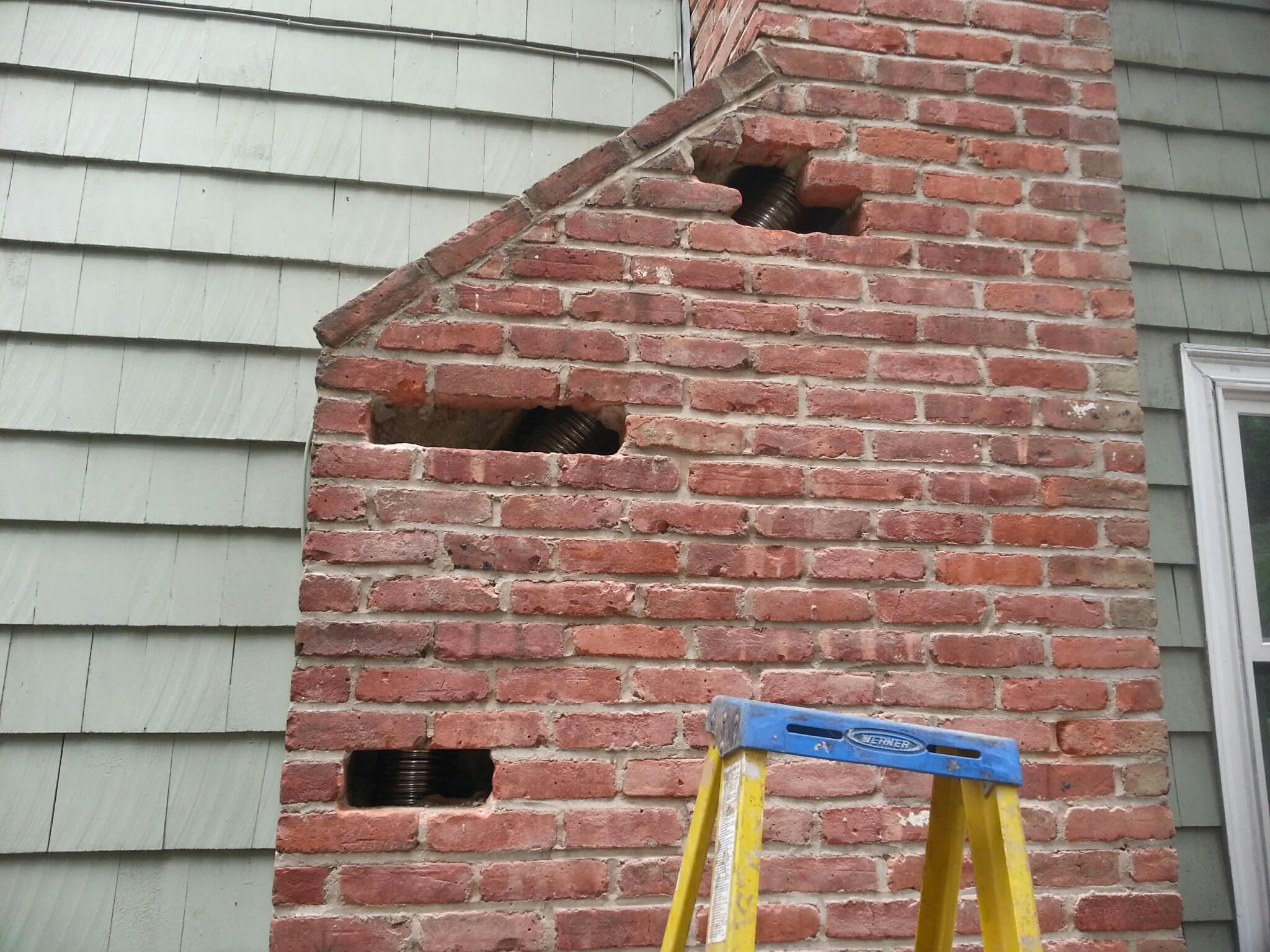
Mortar joints represent the first line of defense in your chimney's exterior armor. These joints sit between each brick course, binding the structure together while allowing slight movement with temperature changes. In Ronkonkoma, where homes range from mid-century construction to newer builds, mortar ages differently depending on original installation quality and exposure. Joints that have weathered three to four decades often show signs of erosion, spalling, or complete separation. When mortar fails, water penetrates the chimney's interior layers. Brick absorbs that moisture like a sponge. Winter temperatures then turn that moisture to ice, expanding and fragmenting the brick from within. What started as a small joint crack can escalate to serious structural compromise.
Brick damage in Ronkonkoma chimneys typically follows predictable patterns based on exposure and age. The south and west faces of chimneys receive the most intense sun and weather, so damage concentrates there. You might notice small white deposits on brick surfaces—a sign of efflorescence, where salts leach from the masonry as moisture evaporates. More concerning are visible cracks, missing mortar, or bricks that appear lighter or softer than their neighbors. Spalling occurs when outer brick layers peel away in sheets, exposing the softer material beneath. Homes in Ronkonkoma near coastal areas or with southern exposures tend to show accelerated deterioration. Don't assume cosmetic damage is harmless. Compromised brick weakens the entire chimney system and allows water penetration that spreads beyond the visible damage zone.
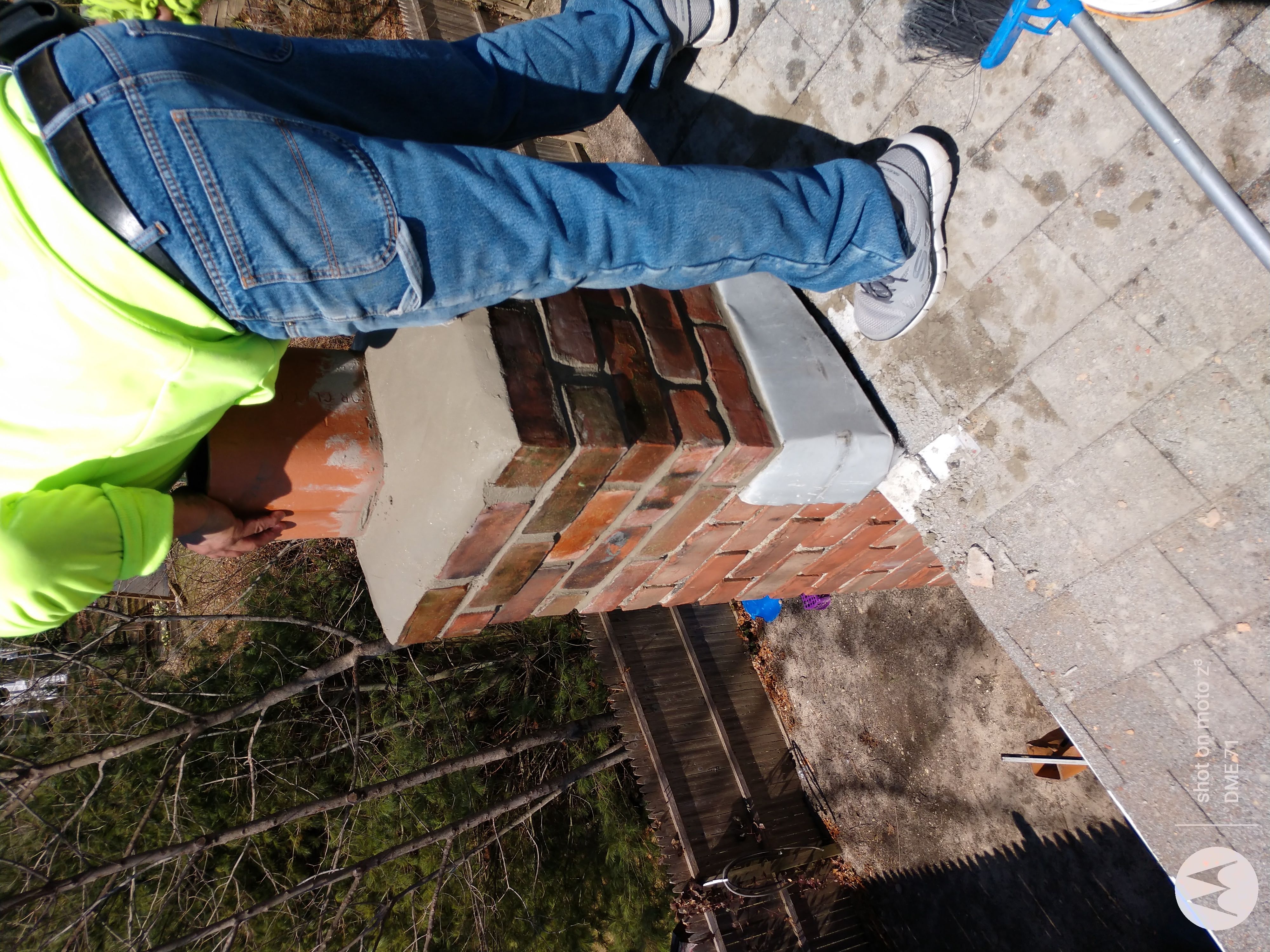
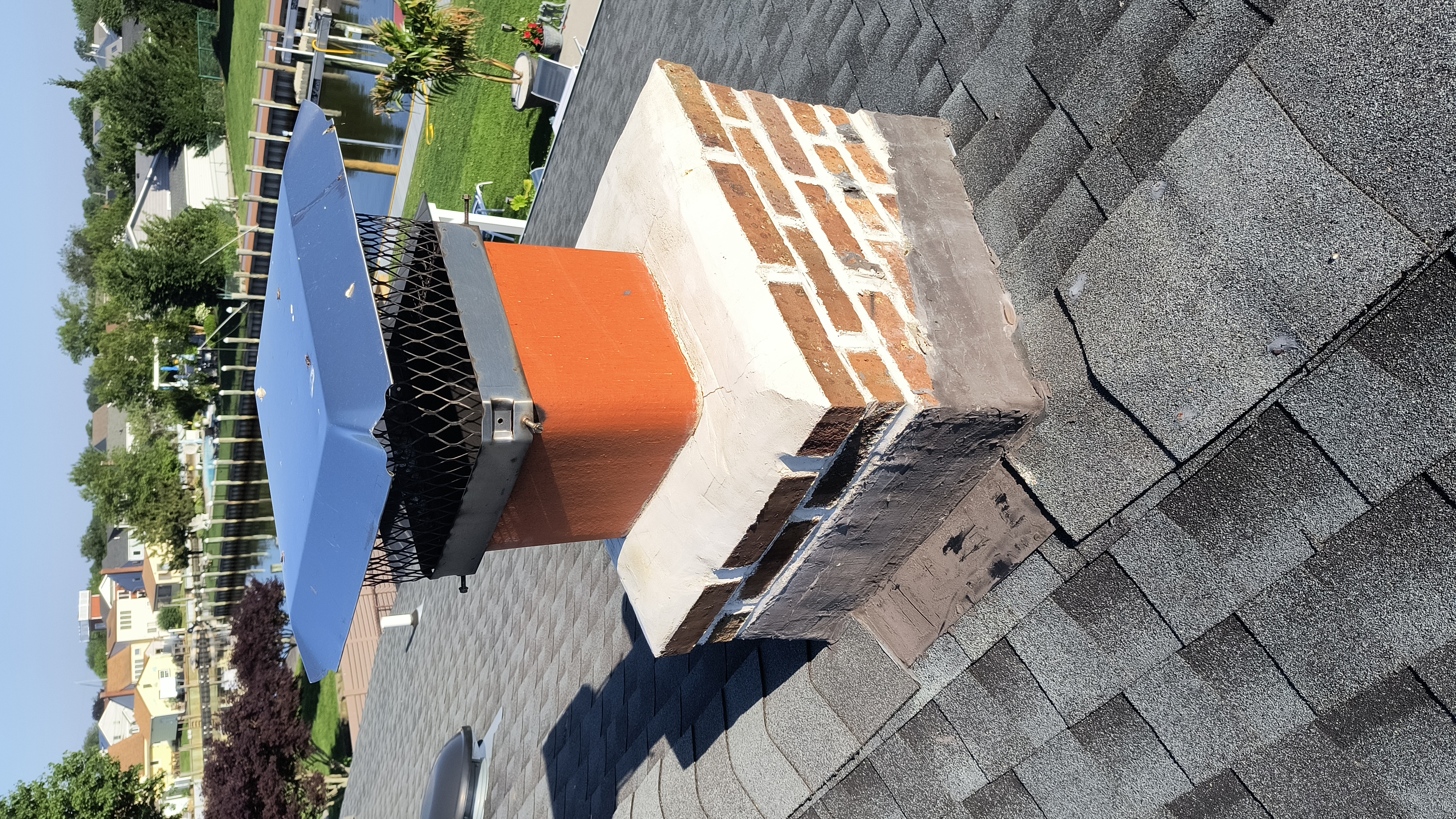
Water intrusion ranks among the most destructive forces affecting Ronkonkoma masonry chimneys. Long Island receives adequate precipitation year-round, with fall and winter bringing heavier rainfall and seasonal freeze cycles. Water enters through cracked mortar, missing brick, deteriorated chimney crowns, or failed flashing where the chimney meets your roofline. Once inside, water follows gravity downward through masonry layers, then often travels laterally along interior surfaces. You might notice water stains on interior walls beside the chimney. Damp odors in your fireplace or chimney suggest active moisture movement. Wet insulation or rotted wood framing near the chimney indicates the problem has progressed significantly. Addressing water intrusion quickly prevents secondary damage that becomes far more expensive than the original repair.
Structural integrity depends on the overall health and alignment of your chimney's masonry. A chimney that leans, shifts, or shows horizontal cracks has moved—a warning sign of foundation settling, damaged brick courses, or severe mortar erosion. Vertical cracks running through brick indicate stress from lateral forces like wind or settling. Chimneys in Ronkonkoma that were built on older foundations sometimes experience differential settling as soil conditions shift beneath them. Gaps appearing between the chimney and exterior siding suggest movement. These issues don't resolve themselves. Movement typically accelerates over seasons and years. A structurally compromised chimney poses genuine safety risks. It can fail during storms, lose bricks onto your roof or property, or allow dangerous flue gases to enter living spaces rather than venting safely outside.
Ronkonkoma's particular exposure to Atlantic coastal weather patterns intensifies chimney maintenance demands compared to inland areas on Long Island. Salt spray from nearby water bodies accelerates mortar deterioration and brick degradation. Winter nor'easters deliver heavy wind loads that stress chimney structural integrity. The freeze-thaw cycles characteristic of our region are particularly destructive since they occur repeatedly each winter season. Many older homes in Ronkonkoma were built with original materials that have simply exhausted their service lives. Oil heat, common in this area, produces combustion byproducts that accumulate in chimneys and can contribute to deterioration when combined with moisture. Understanding these local conditions helps homeowners recognize why their chimneys may need attention more frequently than national averages suggest.
Seasonal changes in Ronkonkoma affect chimney conditions in ways that surprise many homeowners. Spring thaw after winter freeze cycles can trigger visible damage that wasn't apparent during cold months. Summer heat and humidity create expansion and contraction in masonry. Fall brings increased heating system use, which can reveal draft problems or allow you to smell moisture issues you couldn't detect in warm seasons. Winter exposes structural weaknesses when cold, moisture, and wind combine their effects. Rather than waiting for visible emergency damage, property owners in Ronkonkoma benefit from proactive inspection and maintenance spread throughout the year. Early spring provides an ideal window to assess winter damage. Late fall allows you to address issues before the heating season arrives. Regular attention prevents the cascade of damage that transforms minor repairs into major construction projects.
The choice to address chimney issues promptly reflects good stewardship of your Ronkonkoma home. Deferred maintenance on masonry systems compounds over time in ways that other home systems do not. A small joint leak doesn't stay small. Damaged brick doesn't stabilize itself. Water damage behind the chimney grows silently until structural framing becomes affected. The cost difference between repairing mortar joints early and replacing entire brick courses later is substantial. Beyond finances, a well-maintained chimney improves your home's appearance, protects your roofline and siding, and ensures your heating system operates safely and efficiently. Homes in Ronkonkoma with properly maintained chimneys command better resale value and provide owners with confidence rather than anxiety. DME Maintenance brings more than two decades of local experience to every job. We understand the specific challenges that Ronkonkoma chimneys face. We know which damage patterns signal deeper problems and which repairs prevent future trouble. Call us today at 631-316-0622 to schedule your chimney evaluation before another season of weather damage occurs.