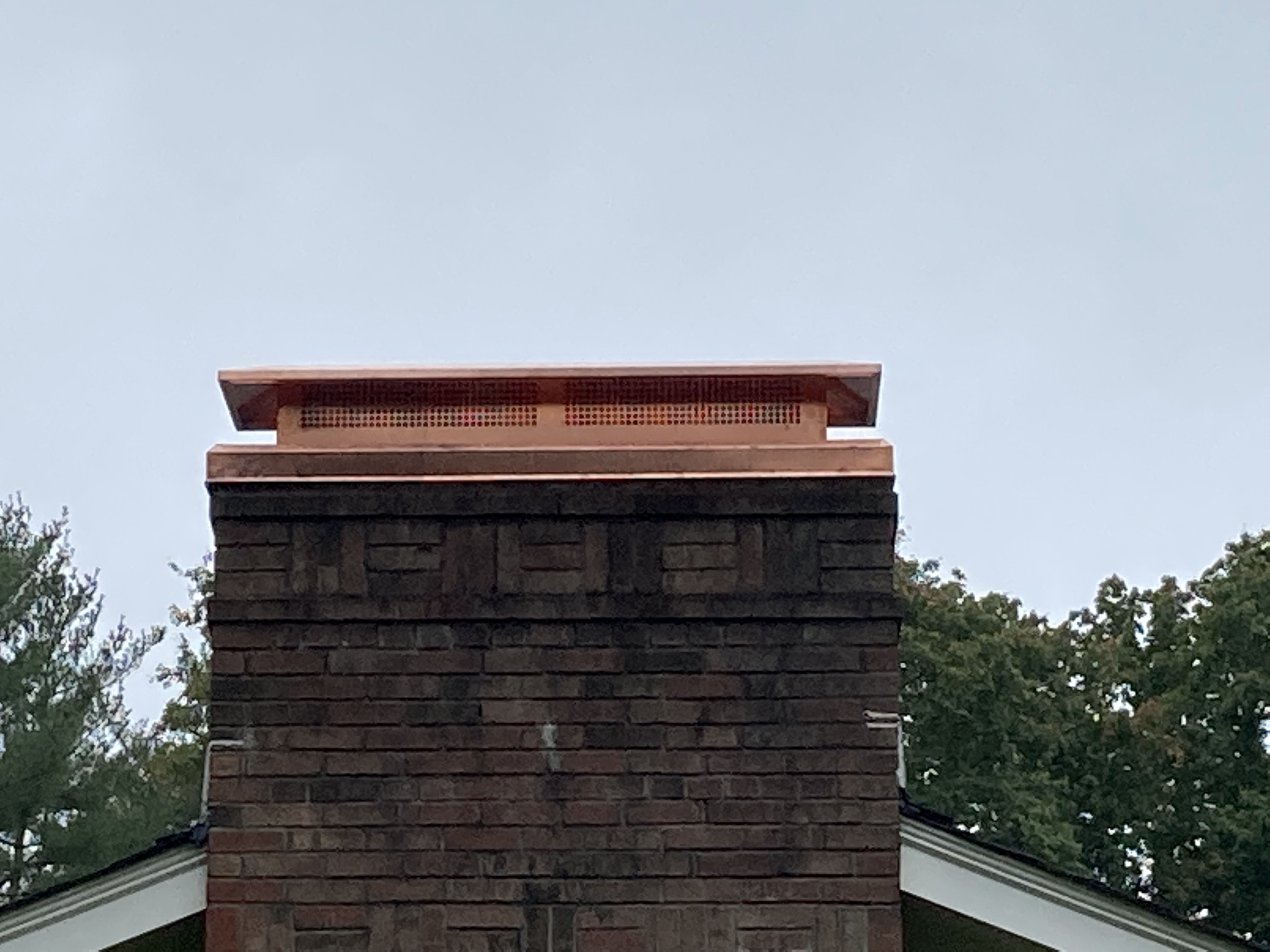
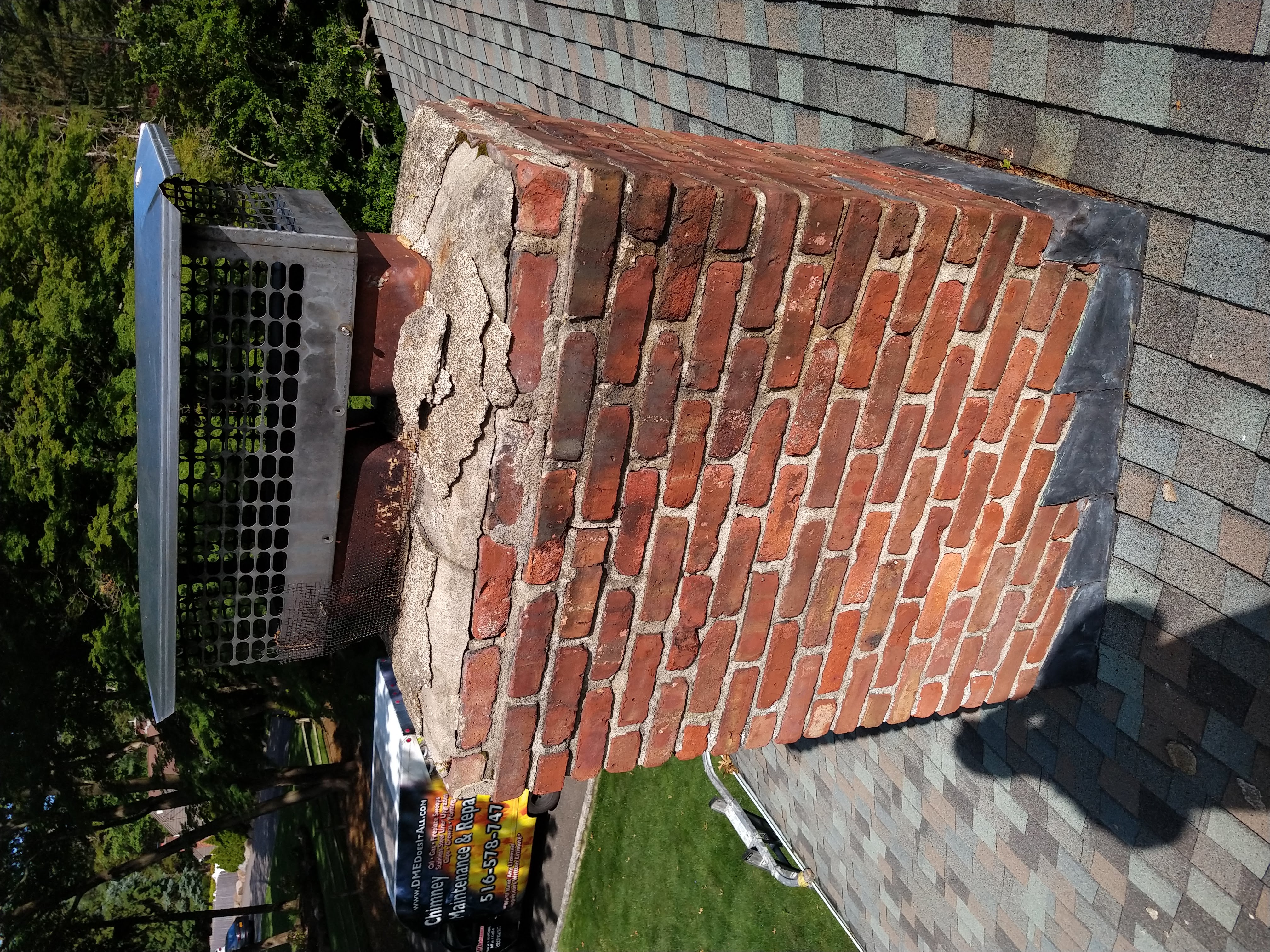
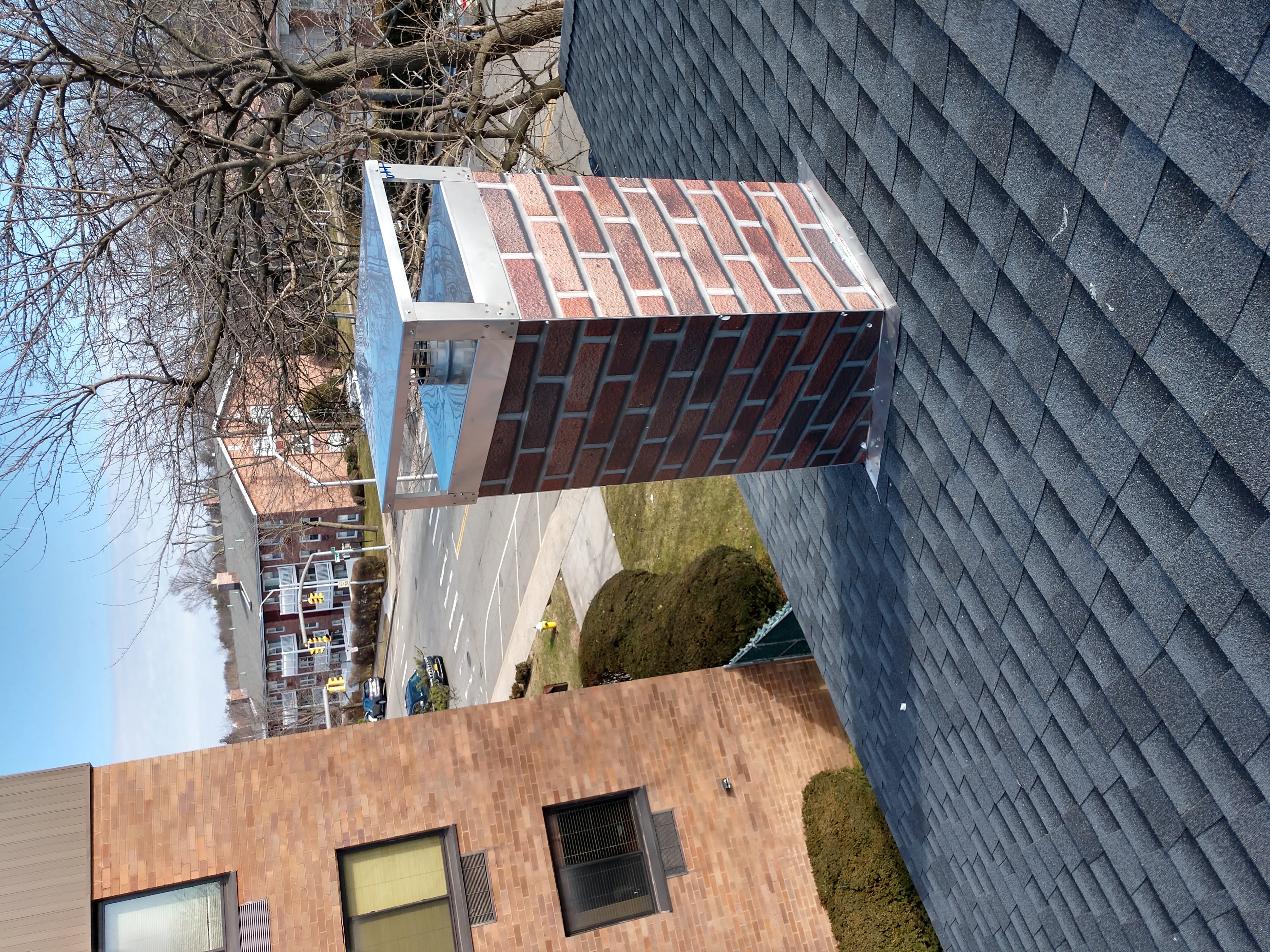
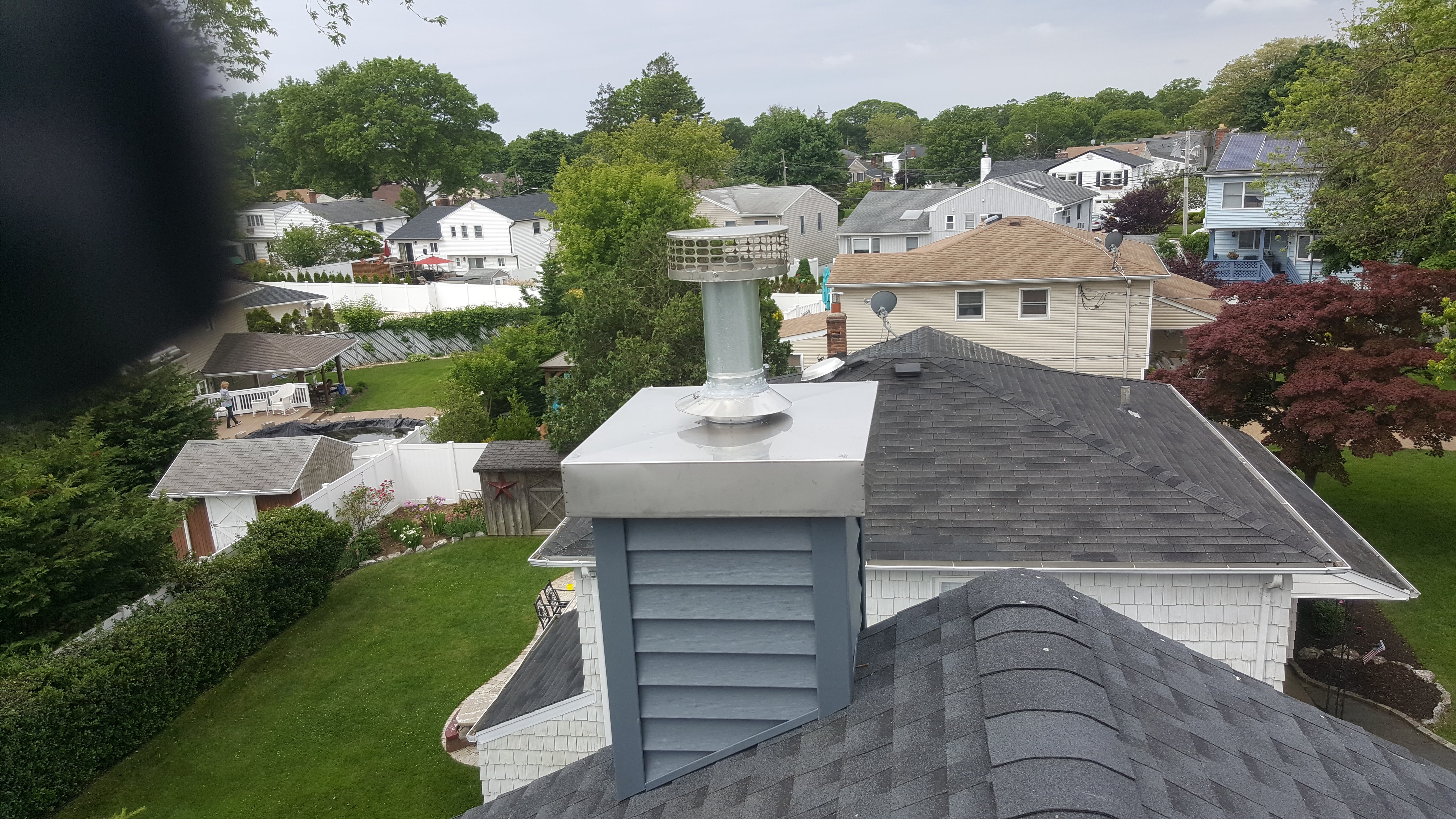
When you look up at your chimney from the ground in Ronkonkoma, you're seeing just the visible masonry. What you're not seeing is the crown, the sloped cap sitting right at the top where the flue meets open air. This structure does one critical job: it keeps water out. The crown slopes downward and outward, directing rain away from the flue opening and toward the chimney's edges. In Ronkonkoma, where seasonal rain and winter snow are regular visitors, a failing crown can turn your entire chimney system into a water collection point within weeks.
Homes in Ronkonkoma tend to be older, with many built in the mid-twentieth century when crown construction standards were less rigorous than they are today. Original crowns on these properties were often made with simple mortar, which naturally deteriorates over decades of exposure to freeze-thaw cycles, UV radiation, and the wet climate that Suffolk County experiences. Even if your home is newer, improper crown construction—too thin, inadequate slope, or poor materials—can lead to premature failure. We've inspected hundreds of Ronkonkoma chimneys and found that faulty crowns are among the most common issues homeowners encounter.
Cracks in the chimney crown start small and spread fast. A hairline fracture might seem minor, but water doesn't need much space to penetrate. Once moisture reaches the interior masonry, it travels downward through the flue structure. It saturates the bricks and mortar joints inside the chimney walls. It wicks into adjacent home framing where the chimney passes through your attic or interior walls. By the time Ronkonkoma homeowners notice water staining on a bedroom ceiling or detect that musty smell in an upstairs closet, the damage below the surface is often extensive. This is why catching crown damage early matters so much.
The seasonal rhythm on Long Island creates particular stress on chimney crowns. Spring and fall bring heavy rain. Winter introduces freeze-thaw cycling, where water seeps into tiny cracks, freezes, expands, and breaks the concrete or mortar further. Ronkonkoma homeowners who use oil heat—the dominant heating fuel across Long Island—run their chimneys regularly, creating temperature fluctuations that work against crown integrity. Summer heat bakes the exposed crown. Then autumn cooling contracts the material. These cycles accumulate damage year after year unless the crown is properly maintained and repaired when needed.
A compromised crown isn't just a cosmetic issue or a minor repair waiting to happen. Water entry through the crown affects your entire chimney system. It degrades the flue liner, whether clay tile, metal, or cast-in-place. It causes mortar joints between bricks to crumble and fail. It can rot wood beams in your attic where the chimney passes through framing. It creates conditions for efflorescence, a white powdery staining on exterior chimney walls. Ronkonkoma residents with moisture problems inside their chimneys often discover that crown failure was the culprit all along.
At DME Maintenance, we've been serving the Ronkonkoma area and surrounding Suffolk County communities since 2001. DME Maintenance knows what Long Island weather does to chimneys. We examine crowns carefully, identifying not just visible cracks but also areas where mortar has washed away, where the slope has flattened, or where the crown has separated from the flue tile. We document the damage, explain what we're seeing, and discuss the best repair approach for your specific situation.
Repairing a crown depends on the extent of damage. Small cracks and minor deterioration can sometimes be sealed with specialized masonry sealant designed to flex with temperature changes and repel water. Crowns with moderate damage may need patching with reinforced mortar or a overlay. Severely damaged crowns—those with major cracks, significant deterioration, or inadequate original construction—should be rebuilt entirely. This is where experience matters. A poorly executed repair will fail again within a few years. A proper repair protects your chimney for decades.
Ronkonkoma homeowners preparing for the rainy season and winter weather should schedule a chimney crown inspection before the heavy precipitation arrives. The best time is late summer or early fall, giving you time to address damage before autumn storms and winter freeze-thaw cycles begin. If you're noticing water stains near your chimney, finding moisture in your attic, or seeing deterioration on the crown itself, don't wait. Call DME Maintenance at 631-316-0622 today to arrange an inspection. We'll assess your crown's condition and recommend the right solution to keep your chimney—and your home—protected.
The crown's position at the very top of your chimney means it bears the full force of weather exposure that interior components never face. Wind-driven rain hits the crown at angles, testing its ability to shed water quickly. Debris accumulates on the flat or sloped surfaces, trapping moisture and creating conditions for algae growth. Leaves, twigs, and sediment that blow onto Ronkonkoma chimneys sit in low spots where water pools. This standing water accelerates deterioration. We often find that crowns fail faster in areas where trees overhang the roof or where wind patterns funnel moisture toward the chimney base.
The space between the outer edge of the flue tile and the inner edge of the crown is called the crown shelf. This shelf must be wide enough to shed water effectively. Many older Ronkonkoma homes have crowns that are too narrow or have lost their slope over time. When the shelf isn't adequate, water doesn't flow outward. Instead, it runs down the outside of the flue tile, soaking the masonry directly below. The resulting moisture damage can eventually weaken the structural integrity of the entire chimney. We inspect this critical area closely because it's where many hidden problems originate.
Ronkonkoma's proximity to Long Island Sound and coastal weather systems means chimneys here experience more aggressive environmental conditions than inland properties. Salt-laden air, humidity, and moisture-heavy weather patterns accelerate the breakdown of mortar and concrete. Chimneys exposed to this environment need stronger crowns and more frequent maintenance. Ronkonkoma residents with chimneys facing toward the water or in elevated locations where wind is stronger should be especially vigilant about crown condition. These crowns age faster than those in sheltered locations and warrant earlier intervention.