Ronkonkoma homeowners understand that a chimney is more than a decorative feature on the roof. It's a hardworking part of your home's heating system, especially on Long Island where oil heat remains common and winters demand reliable venting. When mortar begins to crumble and crack, water finds its way into the brick and stone structure. This infiltration creates problems that spread quickly. Pointing and tuckpointing are the proven solutions that stop deterioration before it becomes expensive damage.
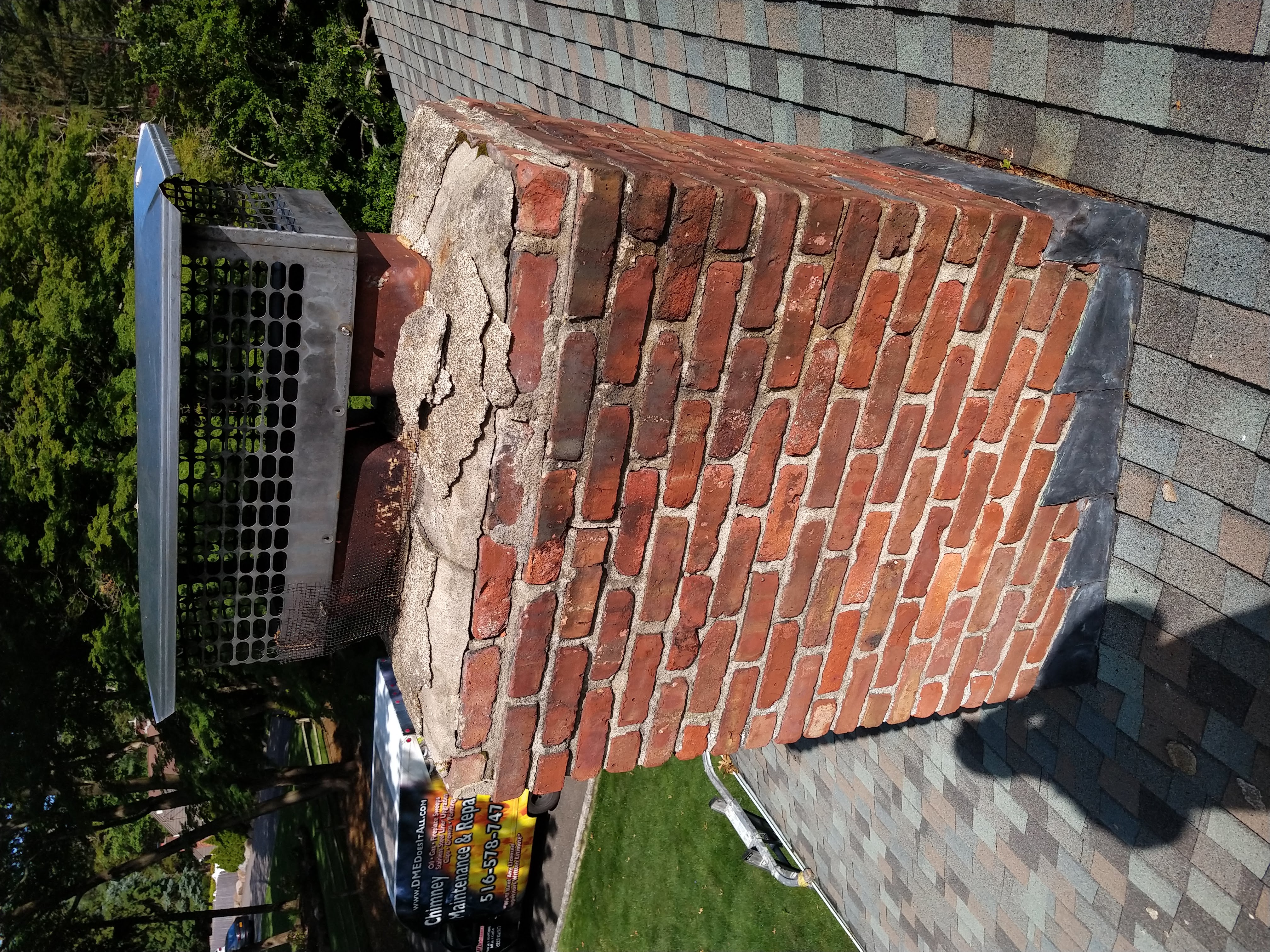
Mortar serves as the glue binding individual bricks and stones together in your chimney's exterior walls. Over time, the freeze-thaw cycle common on Long Island breaks mortar down. Water seeps into tiny cracks during warm spells. Then winter temperatures arrive, that water freezes, and it expands with tremendous force. Ronkonkoma residents who've owned homes for decades have seen this cycle repeat year after year. Each winter weakens the mortar further. Each spring brings new cracks. Professional pointing addresses this cycle directly by replacing failed mortar with fresh material.
The difference between pointing and tuckpointing matters, though homeowners often use the terms interchangeably. Pointing involves removing damaged mortar from joints and filling them with new material. Tuckpointing is a specialized form where a thin line of contrasting mortar is pressed into the joint, creating a visual line that follows the brick pattern. Both methods restore your chimney's structural integrity. Both prevent water from penetrating the masonry. For homes in Ronkonkoma with visible brick or stone chimneys, the right approach depends on your home's age and the chimney's current condition.
Water infiltration through compromised mortar causes cascading problems inside your home. Moisture travels through the chimney's exterior into the interior walls and flashing. It can dampen insulation in adjacent attic spaces. It promotes mold growth in hidden cavities. It accelerates rust on metal components like fireplace dampers and smoke chambers. Homeowners in Ronkonkoma often don't realize water damage is occurring until they see stains on interior walls or smell musty odors. By that point, the problem has spread beyond the chimney itself. Preventive pointing catches deterioration before water intrusion becomes widespread.
Spring and summer represent the ideal seasons for chimney pointing work on Long Island. Fresh mortar needs time to cure properly, and warm, dry conditions accelerate that process. Humidity levels are lower in late spring and throughout summer, which allows the mortar to set uniformly without trapping excess moisture. For Ronkonkoma residents planning maintenance schedules, scheduling pointing work during these months ensures the strongest bond and longest-lasting results. Fall and winter mortar applications are possible but less ideal. Cold temperatures and seasonal precipitation slow curing time considerably. Planning ahead means your chimney is protected before the next freeze-thaw cycle begins.
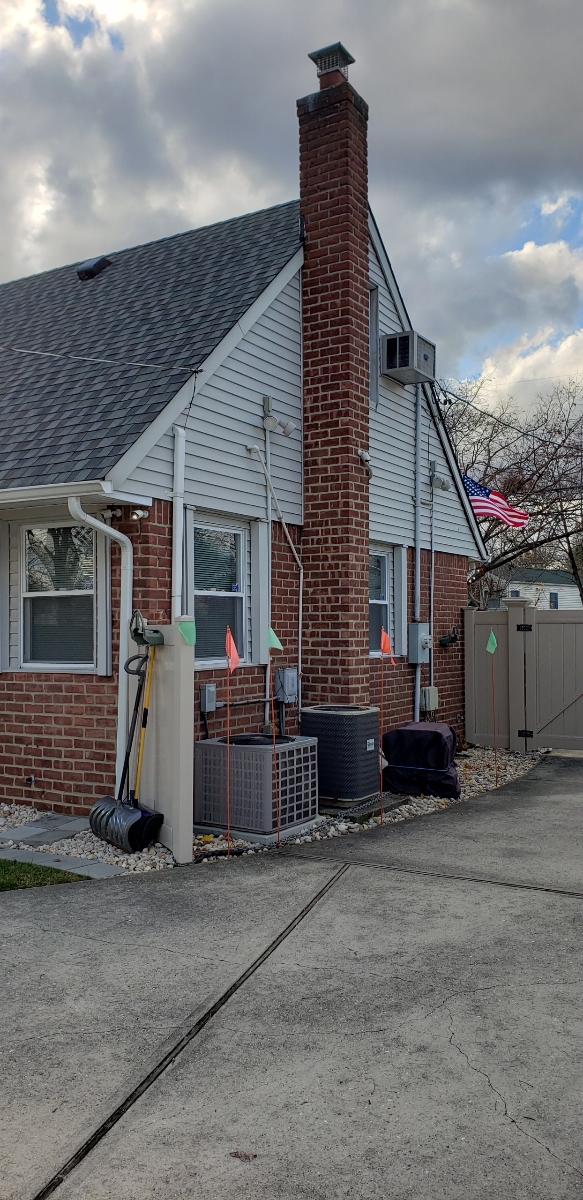
The age of homes in Ronkonkoma makes pointing and tuckpointing especially relevant for our community. Many properties were built in the mid-twentieth century when masonry chimneys were standard construction. These chimneys have weathered decades of seasonal changes and require periodic maintenance just like any other building system. Original mortar from the 1950s, 1960s, and 1970s has reached the end of its service life. Ronkonkoma homeowners with older chimneys often find that mortar failure is visible to the naked eye. Brick faces separate slightly from one another. Mortar between bricks crumbles when you apply light pressure. These signs indicate that professional work should be scheduled soon.
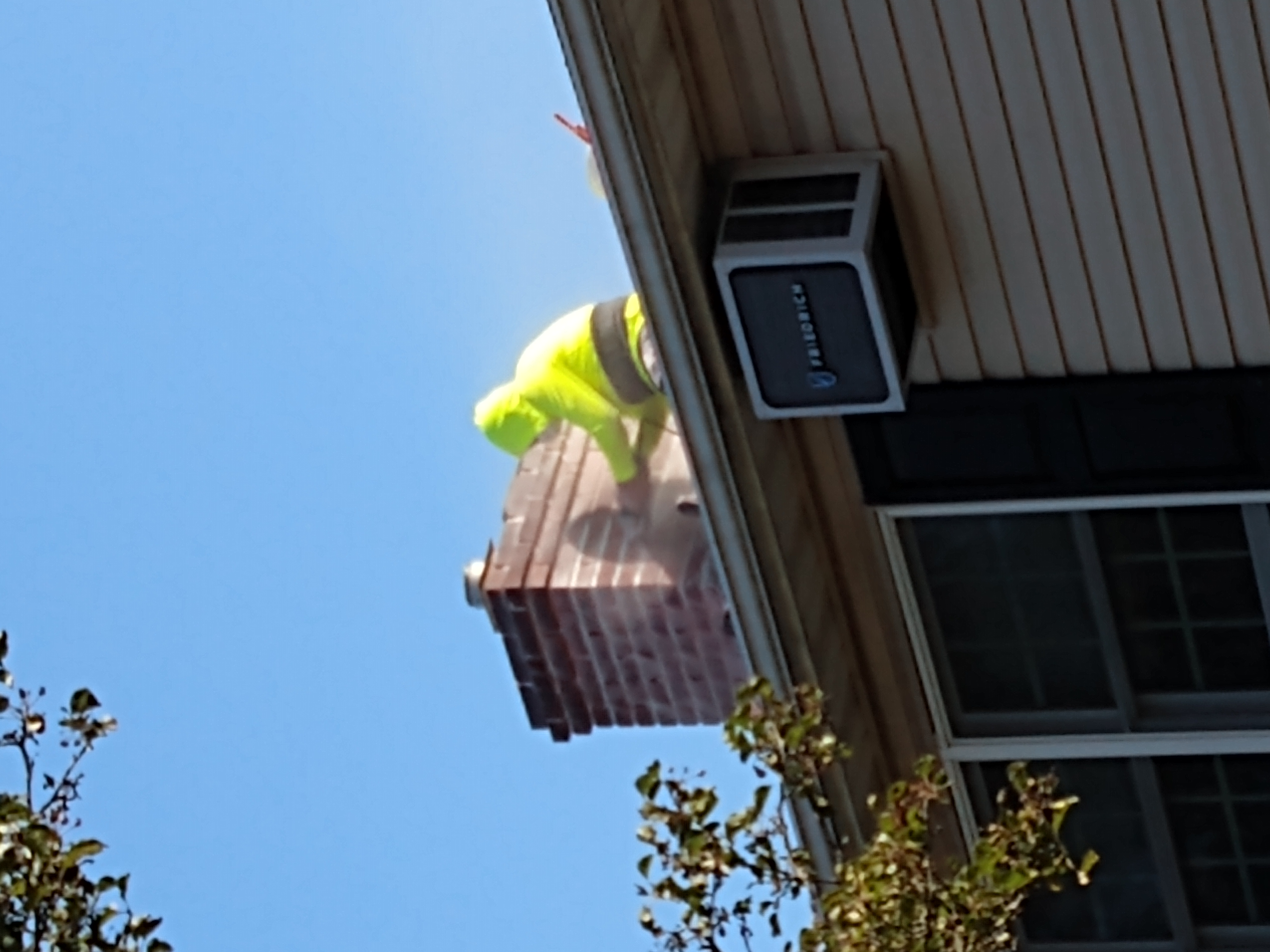
DME Maintenance has served homeowners on Long Island since 2001 under the ownership of Douglas Eberling. DME Maintenance brings two decades of experience working on chimneys throughout Suffolk County, NY and beyond. We understand how Long Island's climate, seasonal weather patterns, and typical home construction styles affect chimney longevity. We know which mortar formulations work best in our region's freeze-thaw environment. When DME Maintenance arrives at your Ronkonkoma home, we assess the extent of mortar deterioration, evaluate water damage risk, and recommend the appropriate solution. Whether your chimney needs spot repairs or full repointing, we execute the work with precision and care.
The process begins with a thorough inspection of your chimney's exterior. We examine mortar joints from grade level to the crown, looking for cracks, gaps, and loose material. We test mortar firmness and check for signs of water penetration on interior walls. We photograph problem areas and explain our findings clearly. Ronkonkoma residents appreciate knowing exactly what they're dealing with before work begins. Once you approve our recommendations, we carefully remove failed mortar using specialized tools that avoid damaging surrounding brick. We clean the joints thoroughly to remove dust and debris. Then we pack fresh mortar into each joint, matching the color and composition to your existing material.
Choosing the right mortar matters enormously for lasting results. Mortar must be softer than the brick it supports. If mortar is too hard, brick will crack instead of mortar, and brick replacement becomes necessary. Mortar must also breathe, allowing trapped moisture to escape without trapping water inside the structure. For homes in Ronkonkoma built decades ago, we often recommend mortar that matches the original composition as closely as possible. Modern mortar products are available, but they're not always better for older masonry. Our experience with Long Island's specific climate and building stock informs every mortar selection we make.
After new mortar is applied, proper curing time is critical. We protect freshly pointed areas from rain, direct sun, and freezing temperatures until curing is complete. This protection ensures the mortar develops full strength and bonds securely to the brick. We don't rush this phase. Ronkonkoma homeowners benefit from our patience and attention to this detail. Mortar that's forced to cure too quickly becomes weak and prone to failure. Mortar that's exposed to rain before it's firm gets washed partially away. When curing is complete, your chimney's joints become watertight again, and protection against Long Island's freeze-thaw cycles is restored.
The investment in chimney pointing pays dividends by extending your chimney's lifespan significantly. Unaddressed mortar failure leads to costlier repairs down the road. Brick replacement becomes necessary when water damage weakens the masonry itself. Interior water damage spreads into walls and insulation. Heating system efficiency declines when chimneys aren't vented properly due to deterioration. For Ronkonkoma residents concerned about long-term home value and safety, pointing work represents smart preventive maintenance. It stops small problems from becoming major expenses. It protects your home from water damage during storms and seasonal weather swings.
Don't wait until your chimney's mortar failure becomes severe. Spring and summer are here, and conditions on Long Island are perfect for pointing work. Contact DME Maintenance today at 631-316-0622 to schedule a professional inspection. Douglas Eberling and our experienced team are ready to restore your Ronkonkoma home's chimney to full integrity. Call 631-316-0622 now and protect your home before the next freeze-thaw cycle arrives.