As fall approaches on Long Island, homeowners in Ronkonkoma are getting their heating systems ready for the colder months ahead. Whether you rely on oil heat or another system, your chimney plays a role in how efficiently your home operates. If you haven't inspected your chimney damper recently, now is the time to do it. A worn or broken damper can waste significant energy and create uncomfortable drafts throughout your living spaces. DME Maintenance has served the Ronkonkoma area since 2001, helping homeowners solve these exact problems before heating season begins.
Your chimney damper is basically a door between your home and the outside air. When your fireplace isn't in use, a functioning damper seals off the flue and prevents cold air from flowing down into your living room. Dampers wear out over time due to exposure to heat, moisture, and the freeze-thaw cycles common on Long Island. Residents of Ronkonkoma often notice that their homes feel drafty near the fireplace, especially on windy days. That draft isn't always a sign of structural damage. Many times, it's simply a damper that no longer closes properly. The good news is that damper replacement is straightforward and can improve your comfort immediately.
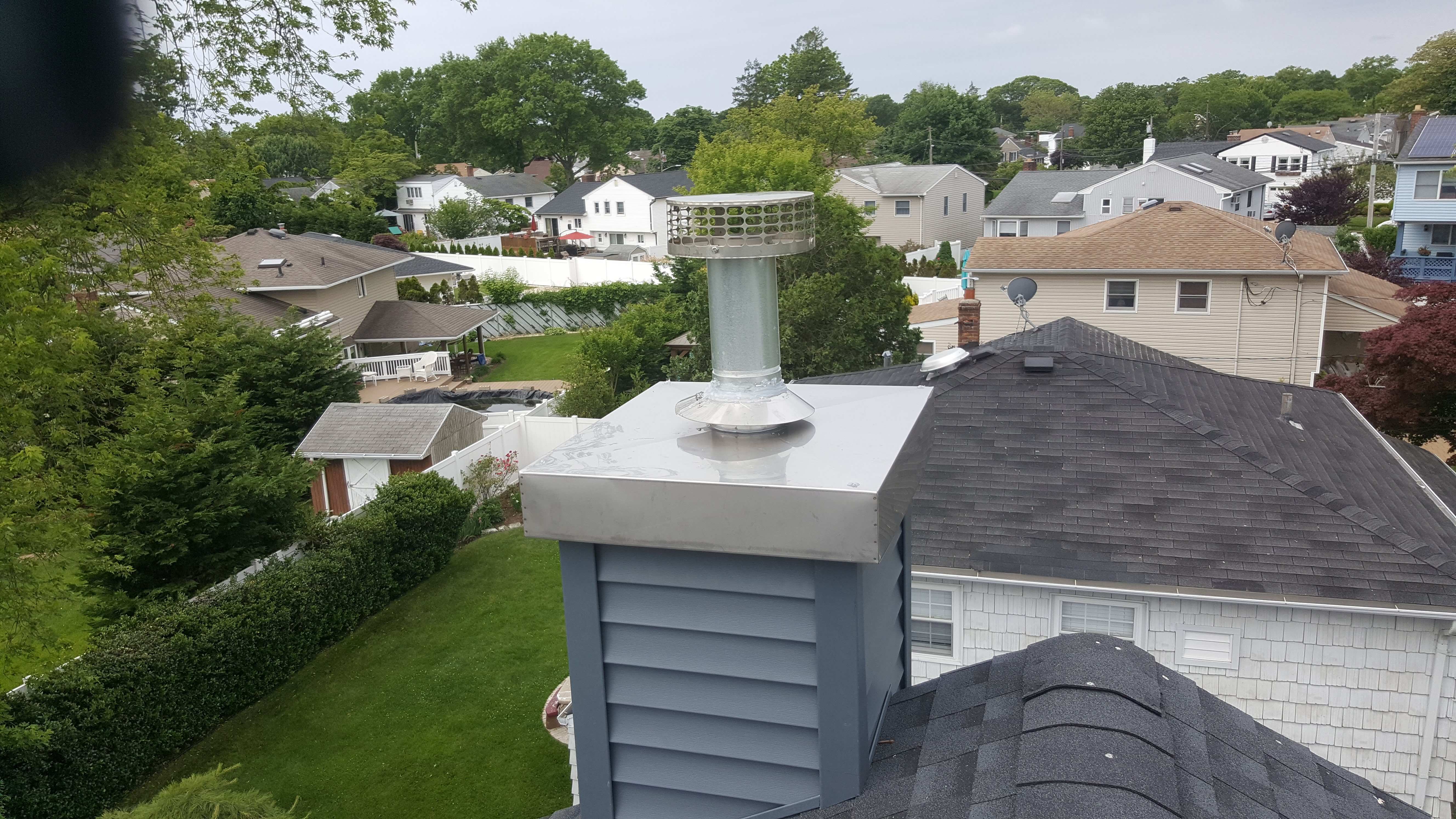
There are two primary types of chimney dampers: throat dampers and top-sealing dampers. Understanding the difference helps Ronkonkoma homeowners make informed decisions about which system suits their needs. Throat dampers sit just above the firebox opening, inside the chimney structure itself. They use a metal plate or hinged door that swings up or slides sideways to open and close. Top-sealing dampers, by contrast, install at the crown of the chimney where the flue exits at roof level. These units clamp around the flue tile and seal the opening from the top down. Each type has distinct advantages depending on your situation.
Throat dampers have been standard equipment in chimneys for over a century. They're affordable and relatively simple to maintain. However, throat dampers sit inside the warm chimney column, which means they experience intense heat cycles. Ronkonkoma's humid climate adds moisture exposure that can cause rust and corrosion over time. Throat damper seals are rarely airtight once they age. Even a slightly warped throat damper allows heated air from your home to rise up the flue and escape outdoors. For homes in Ronkonkoma with aging chimneys, this energy loss accumulates season after season. Many older fireplace installations still use throat dampers simply because that's what was installed decades ago.
Top-sealing dampers address many of the limitations of throat dampers. By mounting at the roof level, they create a weather-tight seal at the actual opening where your flue meets the sky. This design eliminates the interior air column that allows warm air to escape even when the damper is "closed." Top-sealing dampers sit outside the hot zone of the chimney, so they experience less thermal stress. The seals and gaskets last longer in the cooler rooftop environment compared to the furnace-like conditions inside the flue. For homeowners in Ronkonkoma looking to maximize energy efficiency, top-sealing dampers represent a significant upgrade. They're particularly effective in preventing the drafts that residents notice during fall and winter months.
The energy efficiency difference between a worn throat damper and a functioning top-sealing damper can be substantial. Ronkonkoma homes lose heated air through their chimneys constantly, even when the fireplace sits unused. Every time the wind blows or pressure differences shift in your home, warm air is drawn upward and vented to the outdoors. Installing a top-sealing damper can reduce this loss dramatically. Homeowners report noticeable improvements in how their heating systems perform during the heating season. Oil heat, common on Long Island, can be expensive. Any upgrade that reduces the demand on your heating system directly impacts your fuel bills. A proper damper installation pays dividends month after month.
Choosing between a throat damper replacement and upgrading to a top-sealing system depends on your specific circumstances. If your current throat damper is simply stuck or slightly corroded, replacement with a new throat damper might be appropriate. However, if you're already noticing drafts or have an older fireplace, the initial investment in a top-sealing damper usually proves worthwhile. Residents of Ronkonkoma who have made the switch report that the improved comfort and draft elimination justify the upgrade. Additionally, a top-sealing damper can be installed without disturbing the interior of your fireplace or requiring extensive interior work. The installation happens at roof level and typically takes a few hours.
Timing matters for damper replacement. Fall is the ideal season to address this project before you rely heavily on your heating system. Ronkonkoma homeowners who wait until November or December often find themselves dealing with uncomfortable drafts during the coldest stretches of the season. By scheduling damper work in September or October, you ensure the job is completed before you need your fireplace or before your heating system works overtime to compensate for air leakage. DME Maintenance has been helping homeowners in Ronkonkoma and throughout Suffolk County prepare their chimneys for fall and winter for over two decades. Our experience with both throat damper repairs and top-sealing damper installations means you'll get honest guidance about what your home actually needs.
If you're a Ronkonkoma homeowner with questions about your chimney damper, contact DME Maintenance today at 631-316-0622. Don't spend another heating season losing expensive conditioned air through an inefficient flue. Fall is here, and winter comes quickly on Long Island. Whether you need a straightforward throat damper replacement or want to explore the energy-saving benefits of a top-sealing system, we're ready to help. Call us now to schedule an inspection and discuss your options.